Totes interesting…

After the successful completion of my recent “quilted bucket” I decided to sign up for another swap.  This time I signed up for a brown bag tote swap for the PNW Modern Quilt Guild meet up.  I really must learn to say “no”…

As with the bucket I worked myself up into a tizzy about the whole thing. I mean a quilted container is one thing, a bag is a whole other kettle of fish.  After weeks and weeks of procrastinating I finally found a pattern I thought I could do without going crazy and set out on the adventure.

The pattern I choose was from Purses Bags & Totes which I borrowed out of my local library (and which may or may not be a little overdue!).
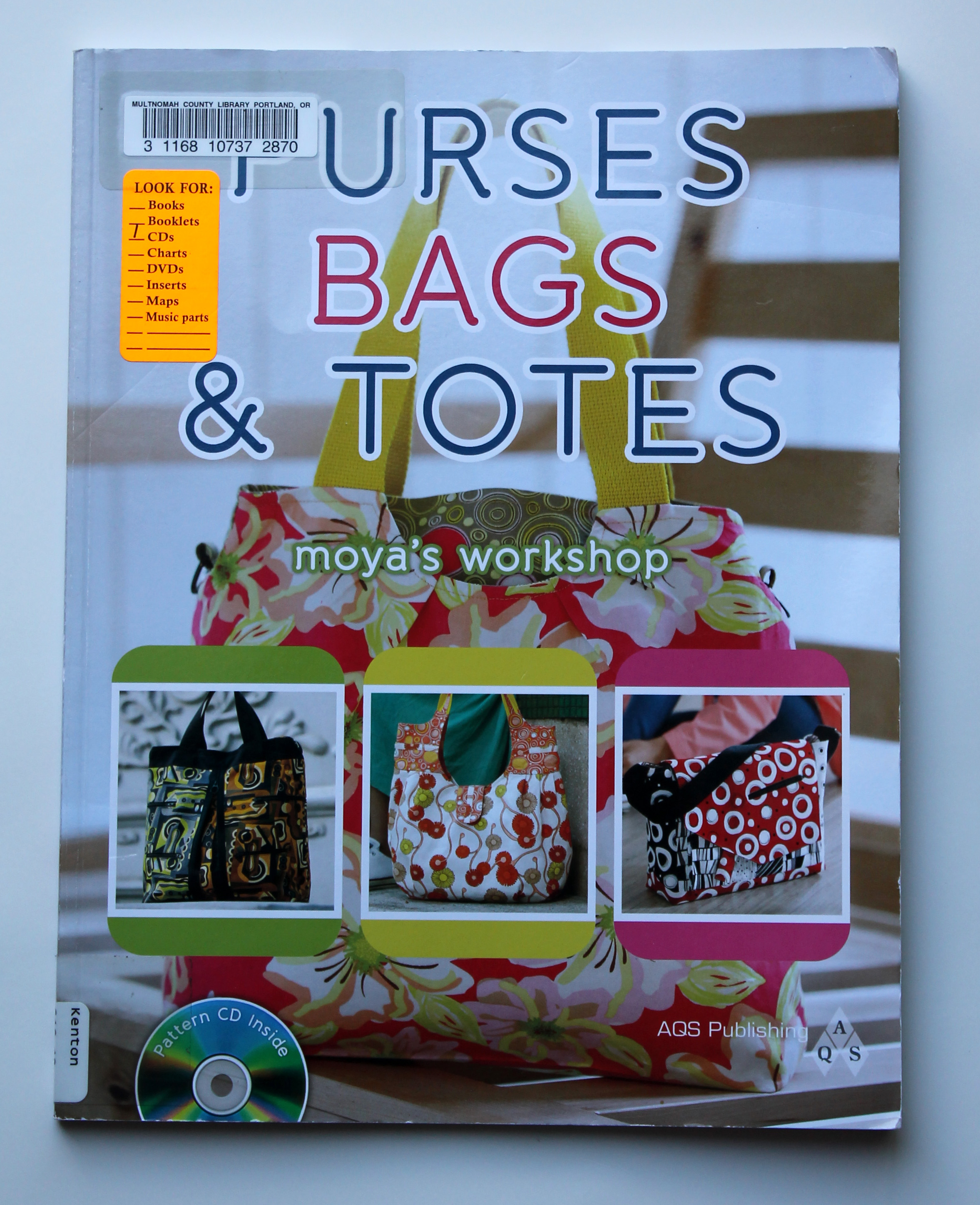
book

I then had to make a paper pattern, piecing together bits of letter sized sheets. Somehow I found it easier to do this while watching Project Runway for some reason!
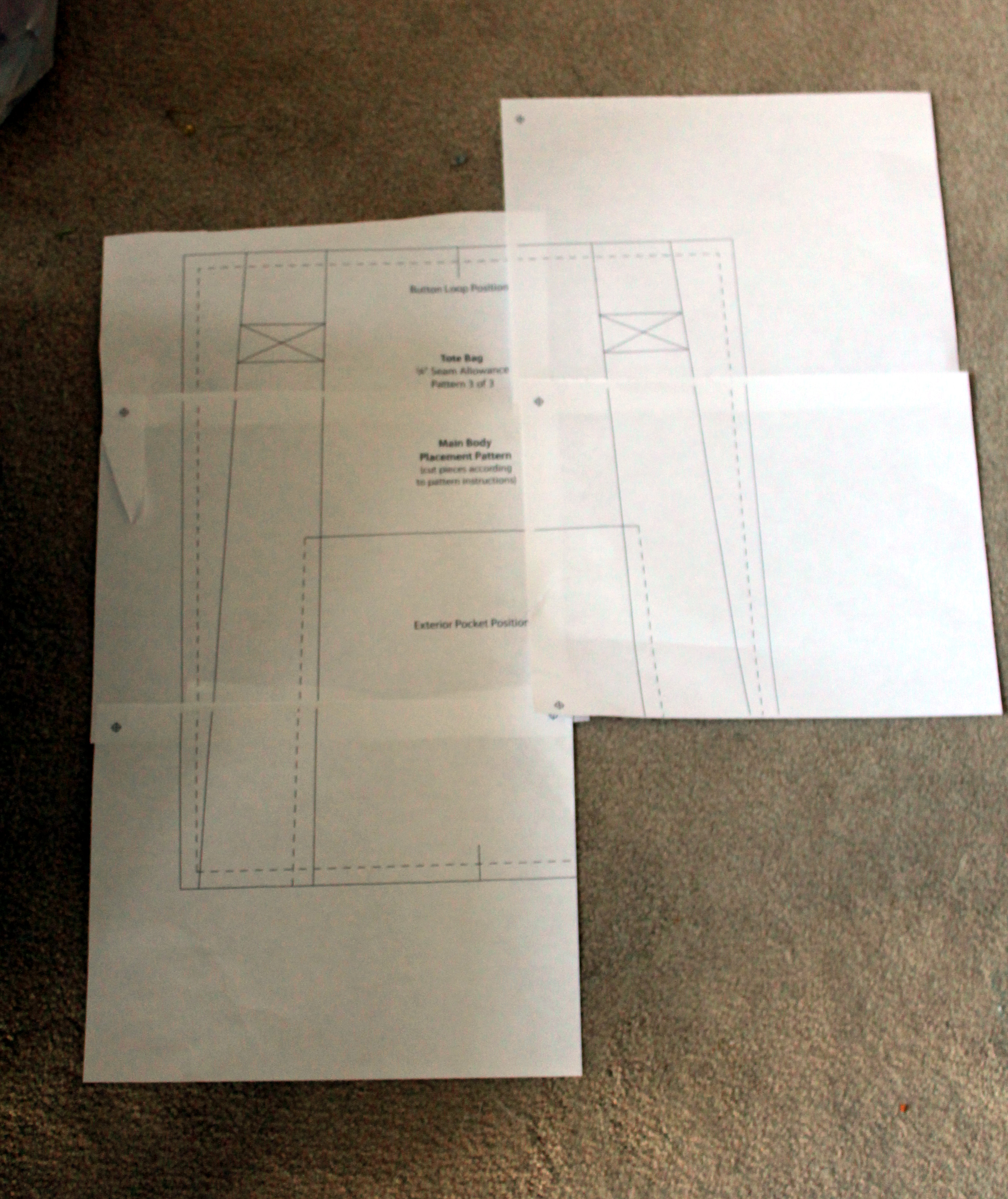
pattern making

For the fabric we were given 1/2 a yard of denim from Robert Kaufman and I choose to supplement it with Michael Miller’s “Maze” and a selection of solids.
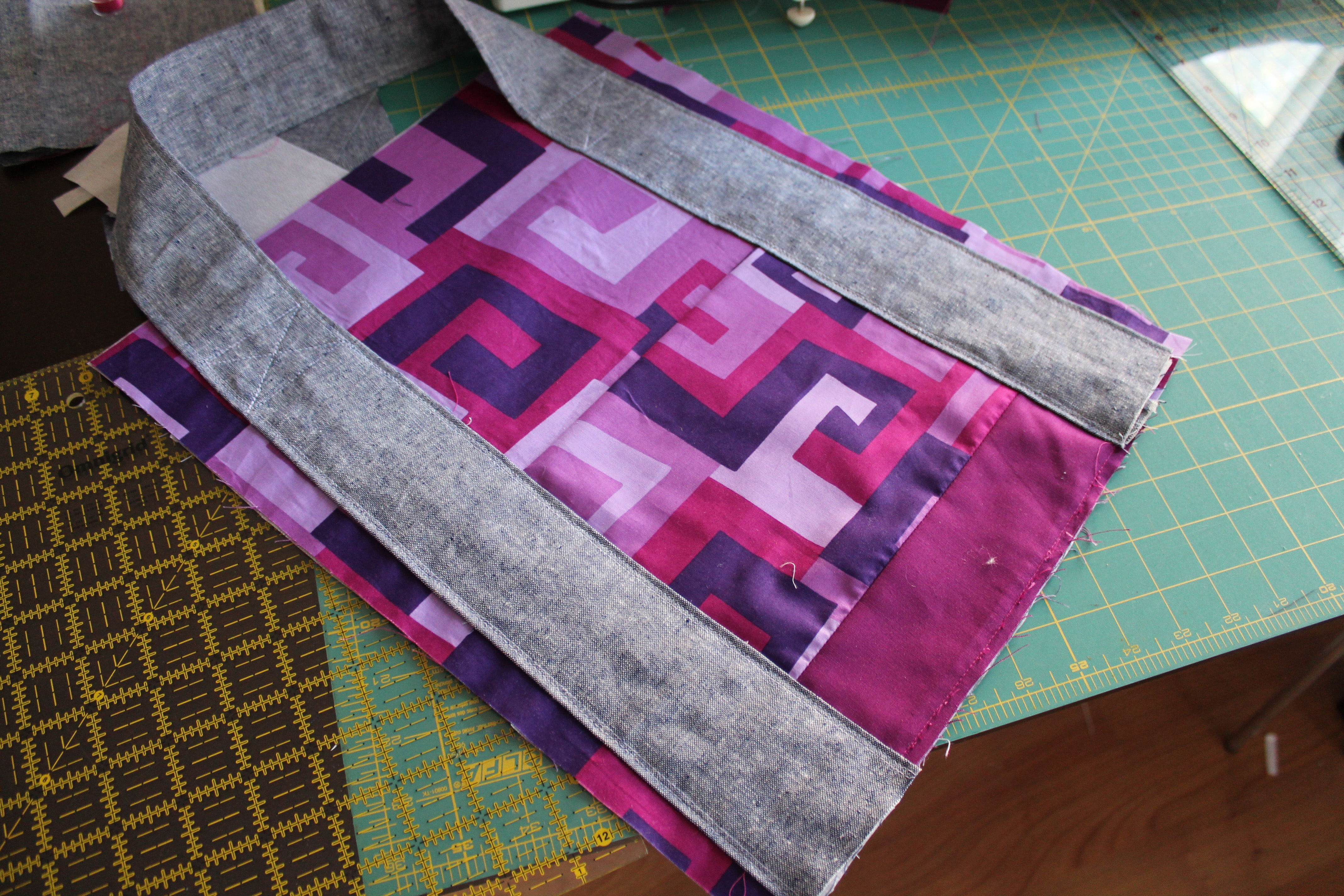
fabric detailOnce the pattern and the fabric where chosen the fun began.  There were at least 386 steps this time (double the steps of the bucket) and I was so busy making the sucker I forgot to photograph everything.  There was however a lot of sewing, a lot of pinning and a lot of swapping out thread – I constantly alternating between white and fuchsia bobbins.
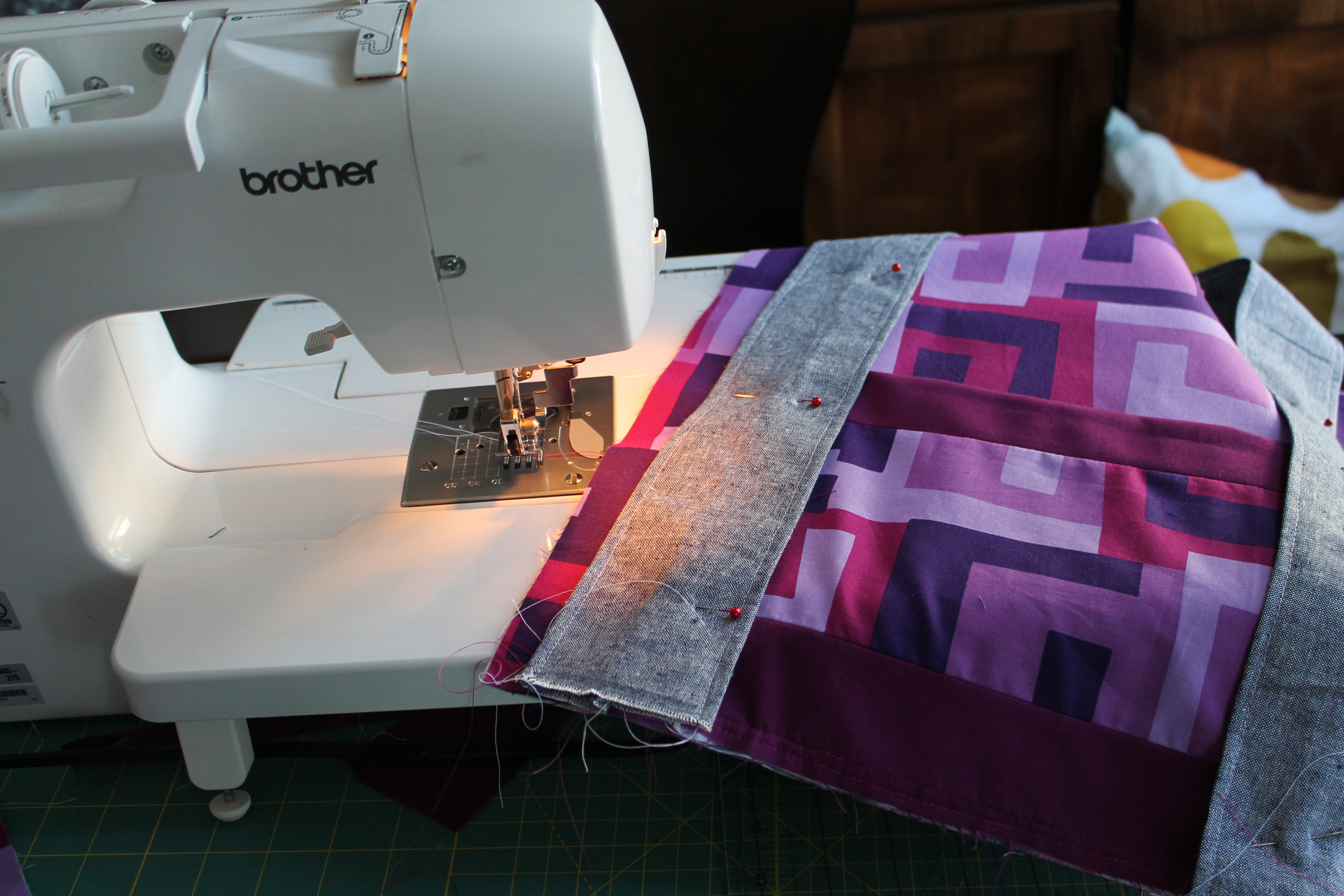
sewing

There was also the wonderful step I love… that step that lets you know you are nearing the end… the step that is hard to do with a hand brace on… the step I like to call “turning the sucker right side out through a small hole in the lining”.
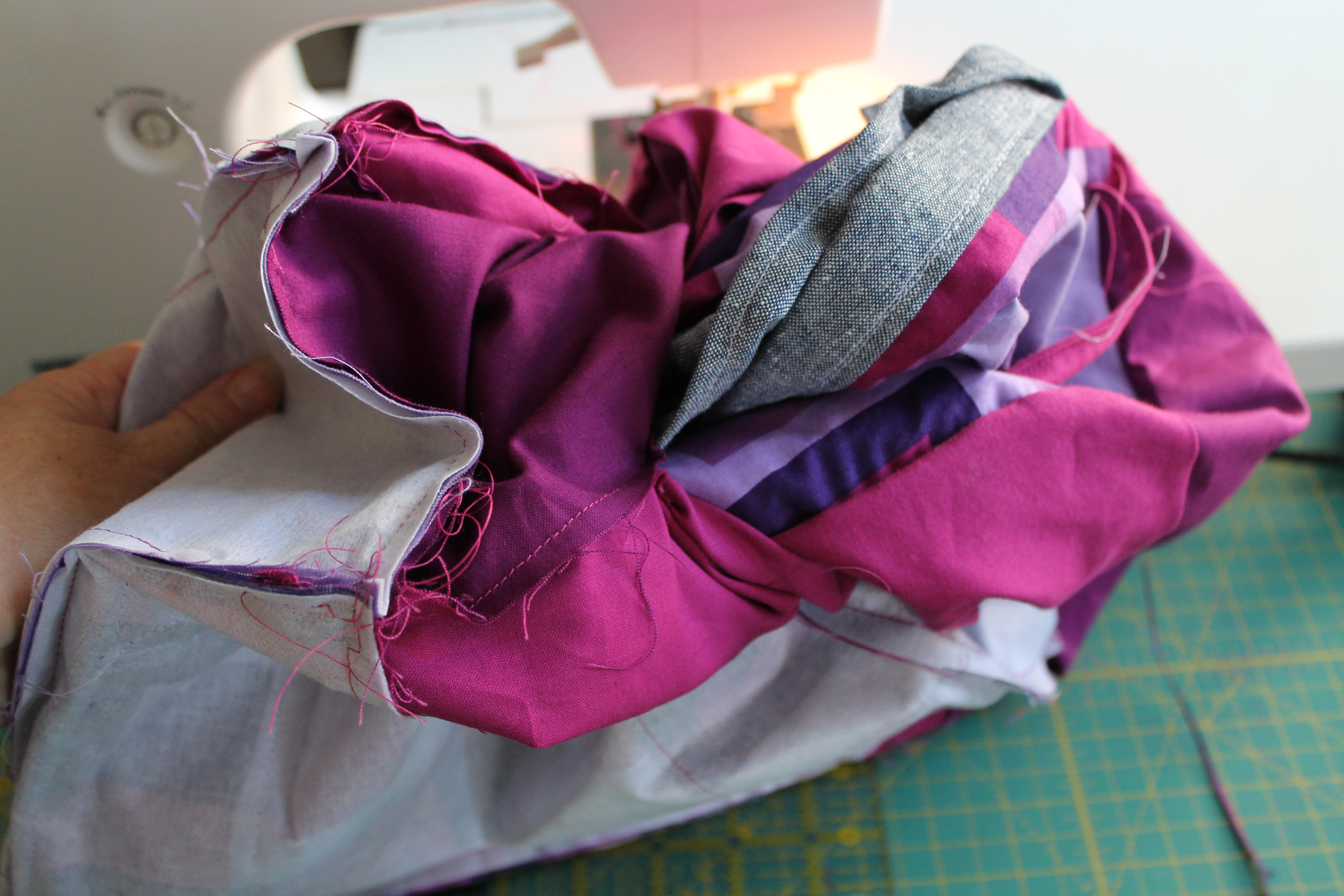
turning inside out

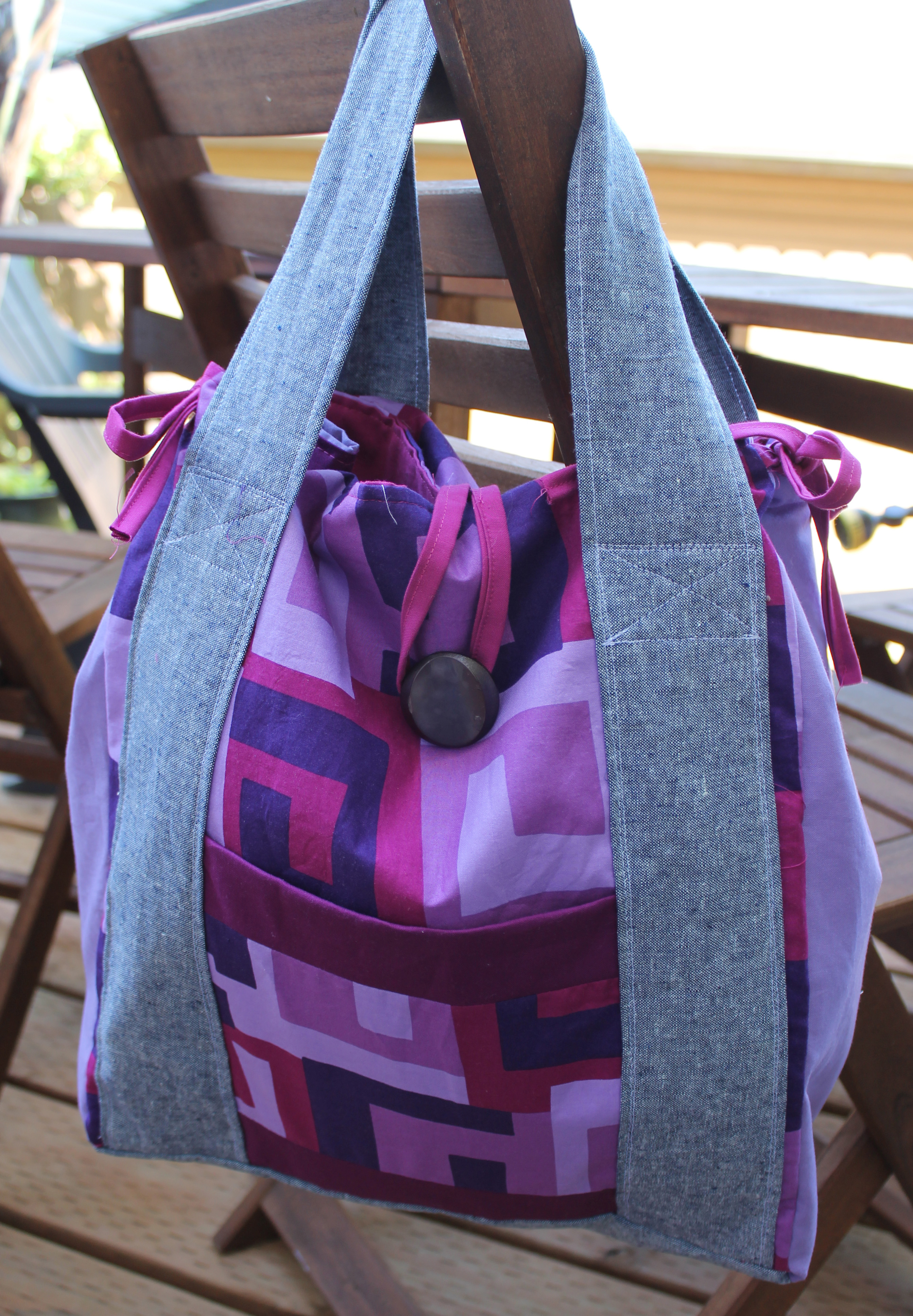
Finally, after more steps that I had counted on, I was left with this…
finished tote bag

My tote has two pockets – one in the front and one in the back. I bordered the front one with a solid fuchsia to make it stand out a little…
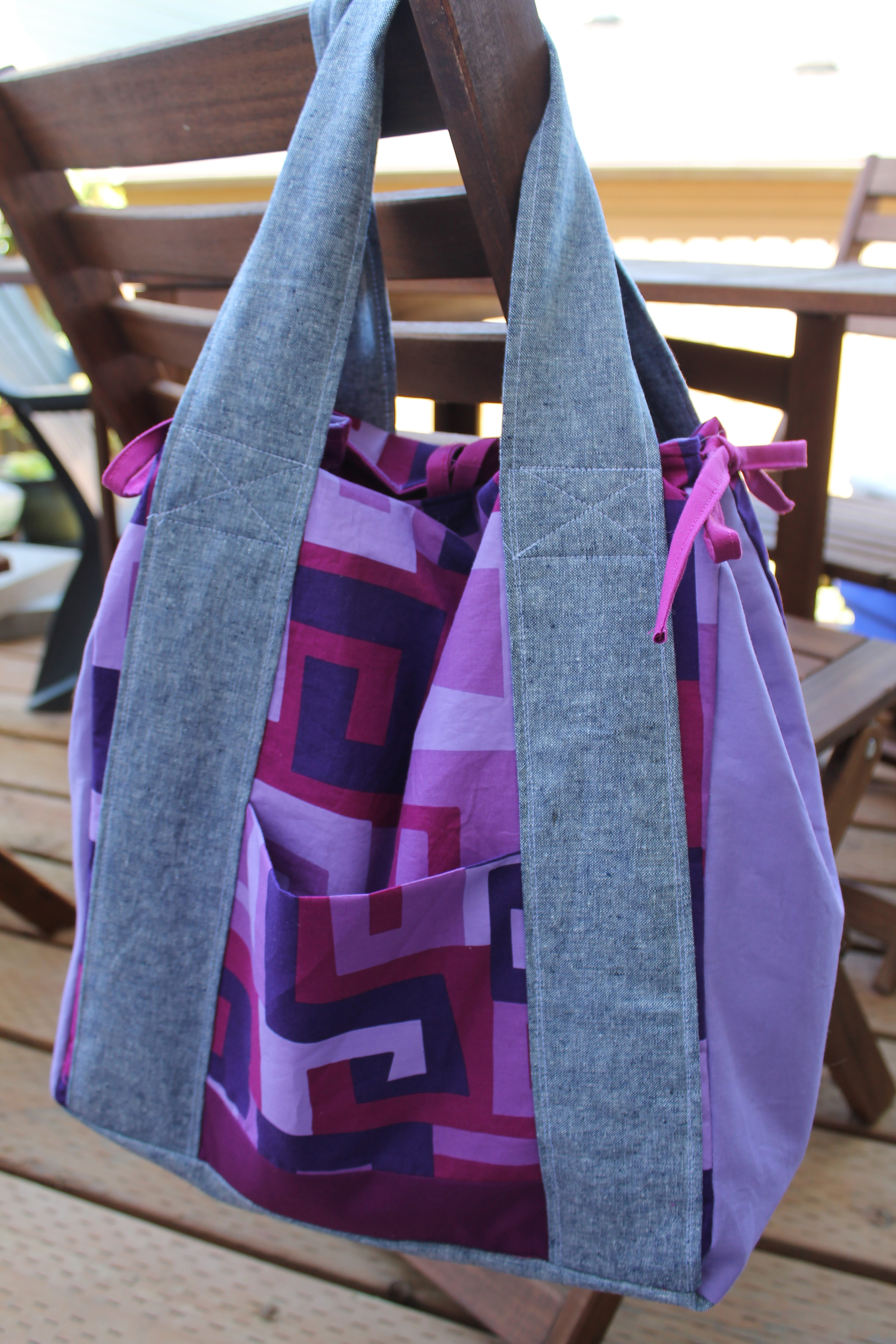
back side of tote

To tone down the fun, loud feature fabric I made the bag gussets out of solid purple…
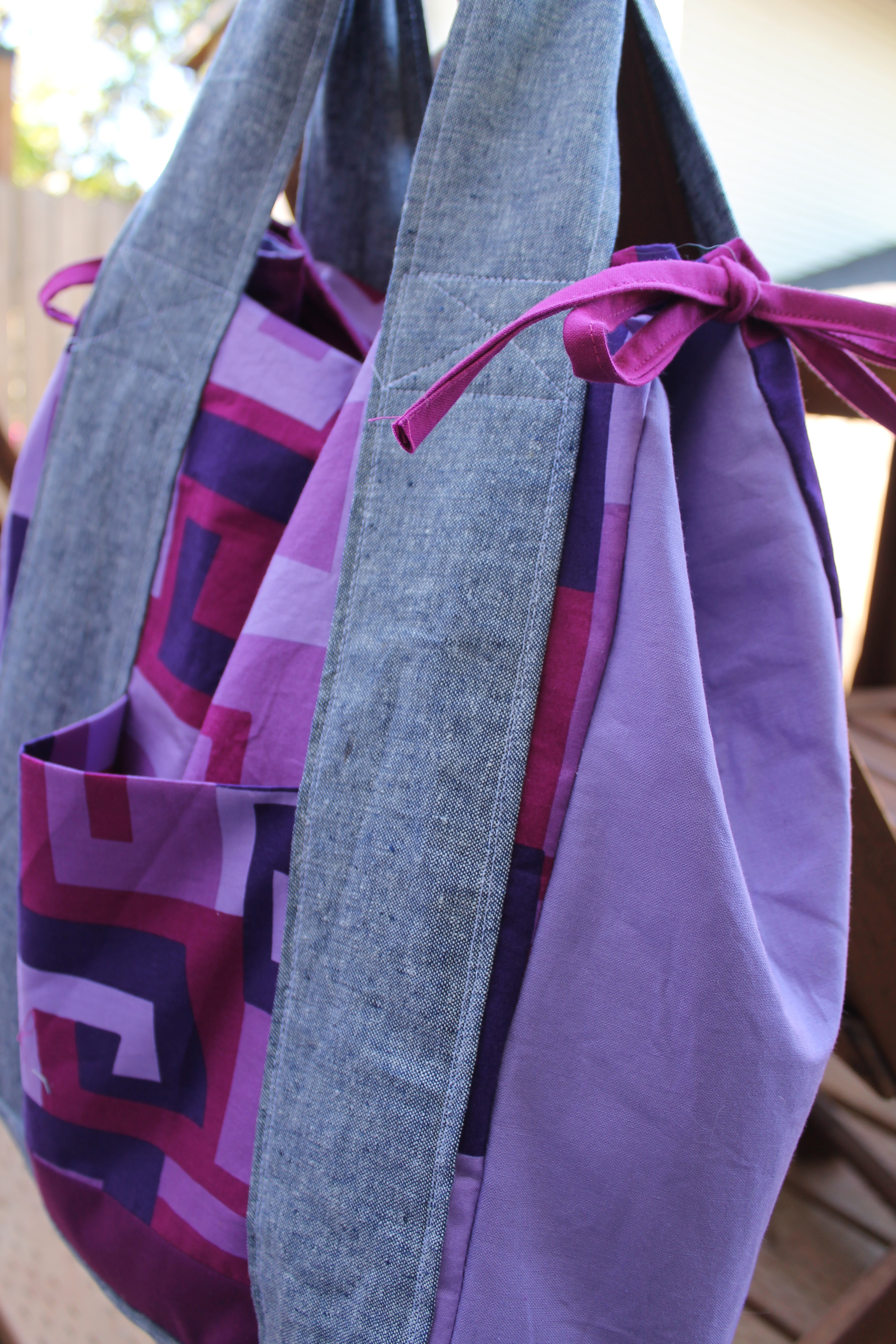
gusset detail

and  used solid fuchsia to line the bag…
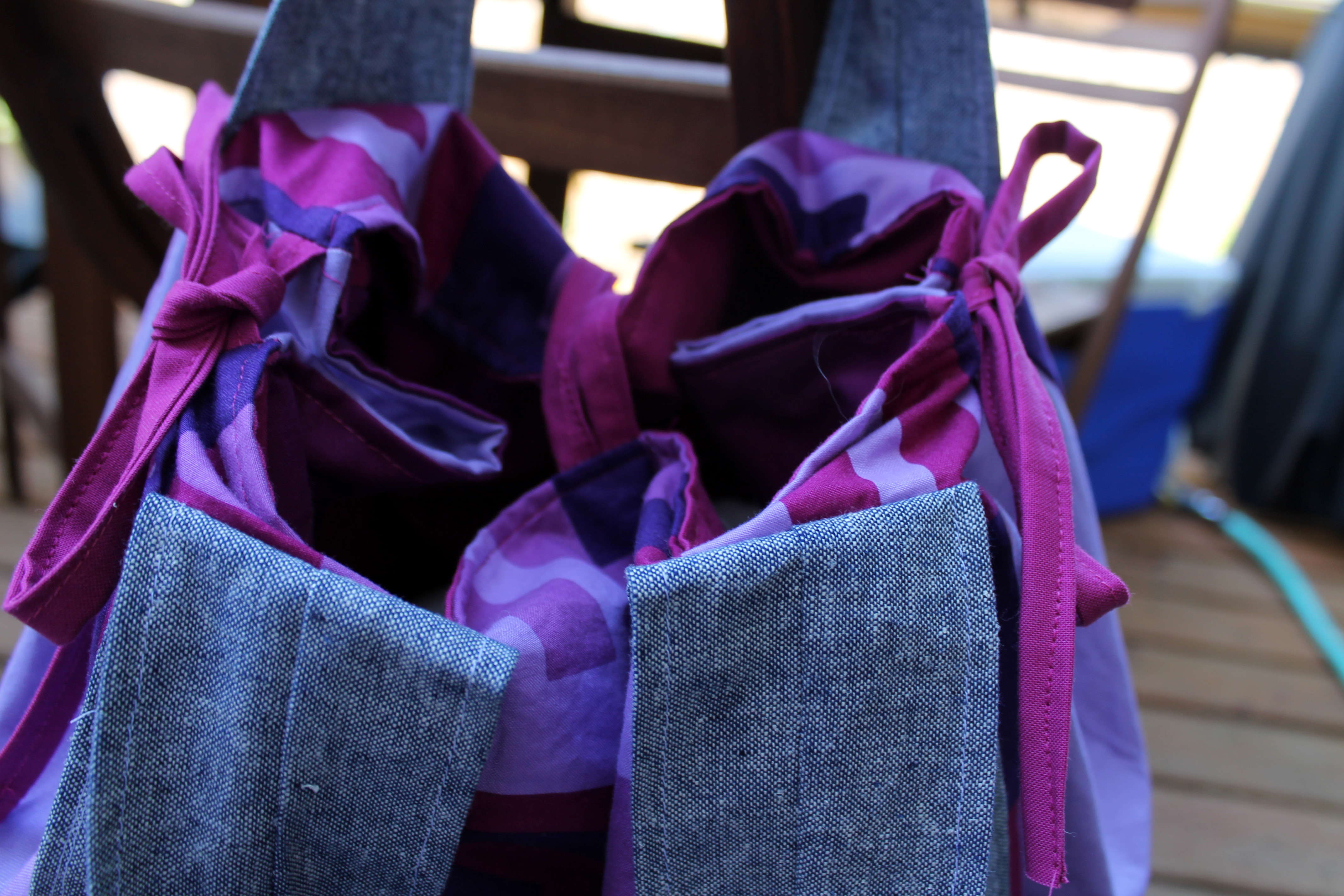
tote detail

There are also little fuchsia ties on the side to bring the top part of the bag in…
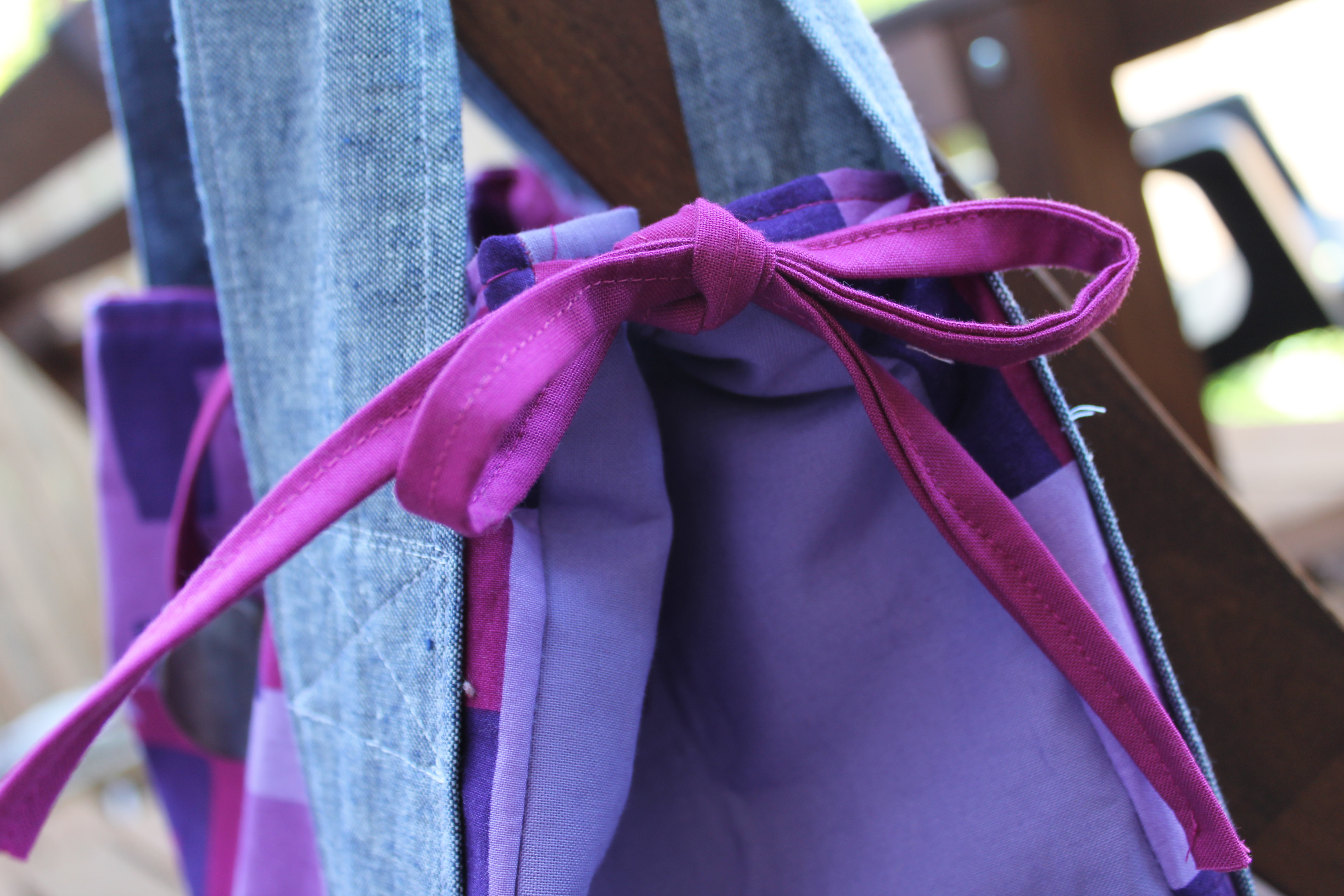
bow detail

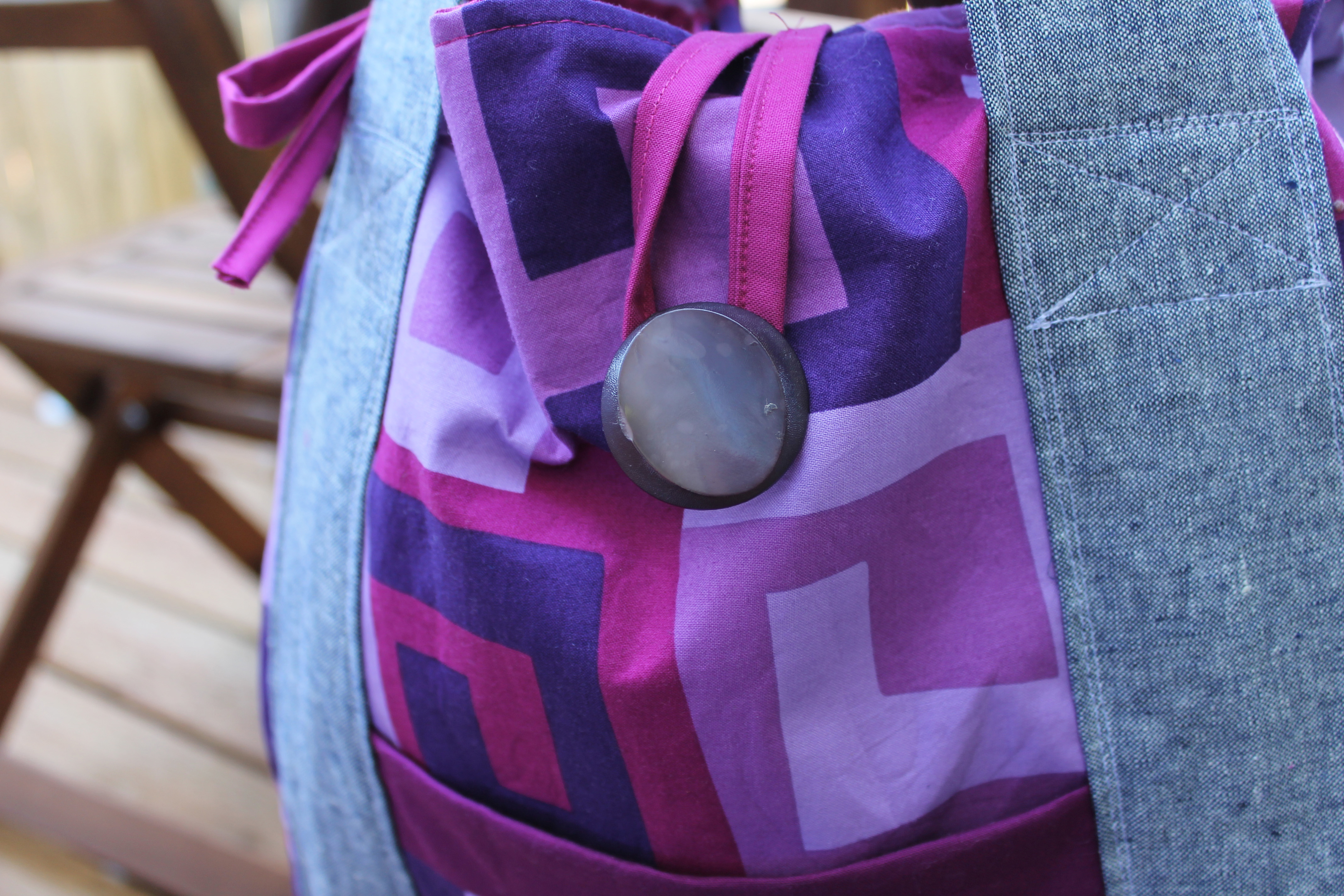
And a large, vintage button as the front clasp (though I am not sure how effective it is!)…
button detail

The tote is complete and will be swapped out this week at our Meet up.

Now to what I have learnt.. next time I would:

1.  Not leave it to the last-minute.

2.  Quilt the body of the bag.  The pattern did not say to do this but I think it would add a strength and structure to the tote.

3.  Use a fusible fleece instead of a just a heavy-duty fusible.  The pattern calls for just fusible but again I think the fleece would add a softness and structure that is needed.  I think this would also help with the bag creasing (it looks like it needs ironing constantly).

4.  Add a Wombat Quilt label… forgot to do it with this bag.

As they say…”live and learn”.
Getting back in the swing…

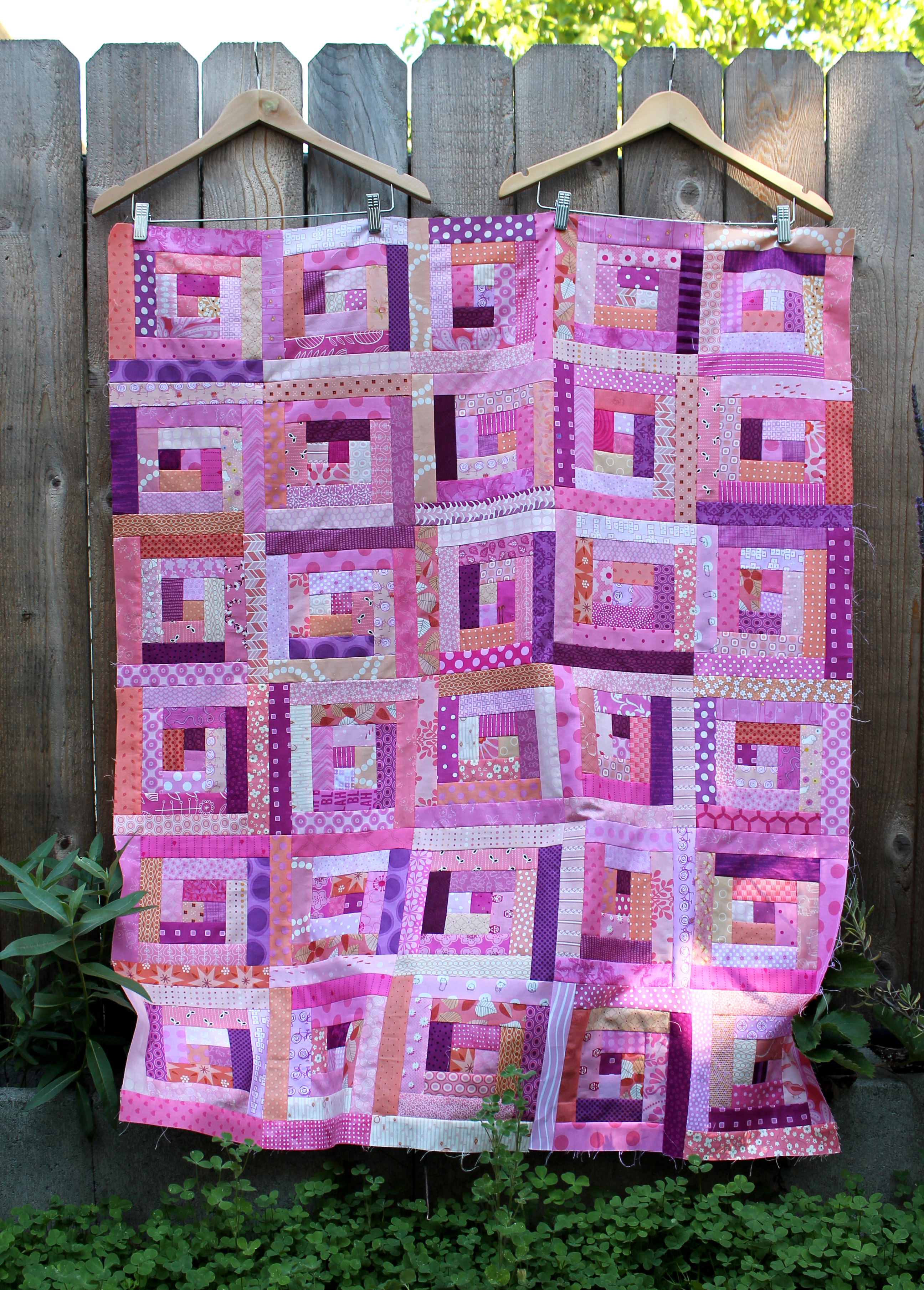
After a month or so of being off my game I am pleased to say I have FINALLY finished a quilt top.    Pausing for applause.                 I can not believe that the last time I posted a finished quilt/quilt top was the end of May.

So without further ado… here she is.

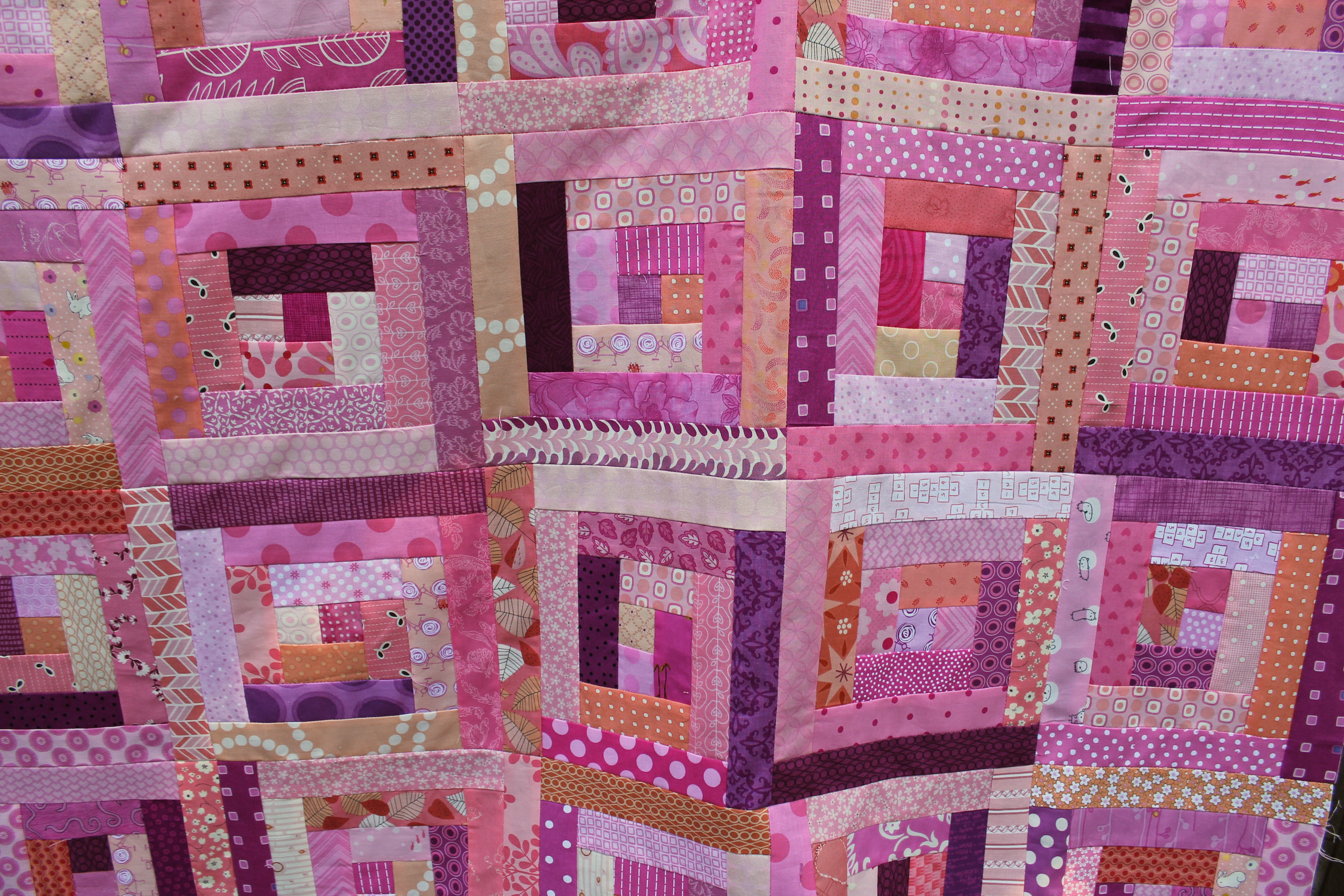
modern scrap log cabin quilt top

Yep I finished my Blush log cabin quilt top.  I first posted about this block a couple of weeks ago… here.   I wanted to make a quilt that used peach/apricot fabric, having seen a post on a Modern quilt site about how you should NOT use apricot in modern quilts.  I really do love hearing that you should NOT do something, it just makes me want to do whatever I am not meant to do.  (This feeling may possibly be the result of having an Army Colonel for a father).

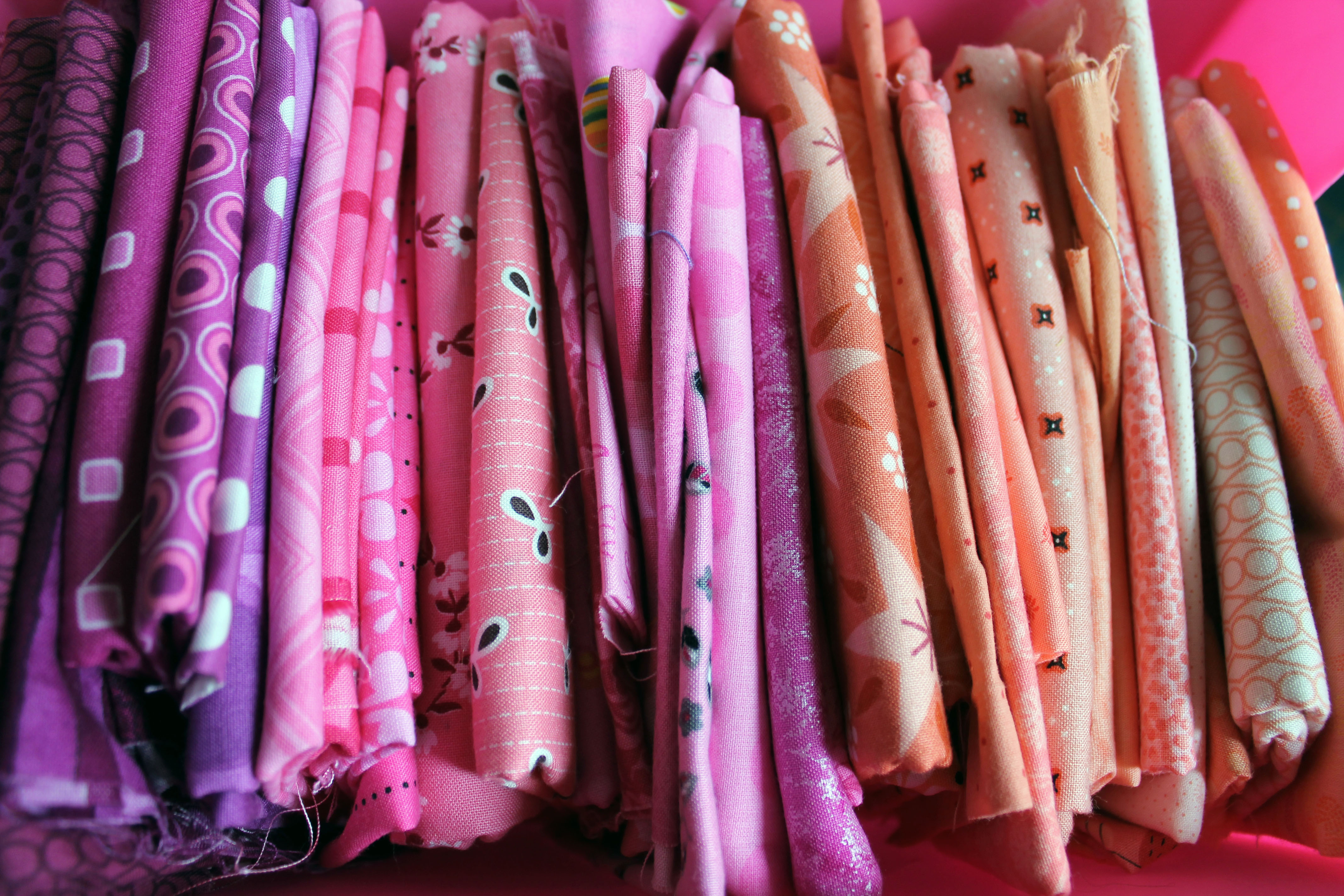
My response was to find a way to make the colour work.  I pulled this stash of fabric and started playing.

fabric for blush block

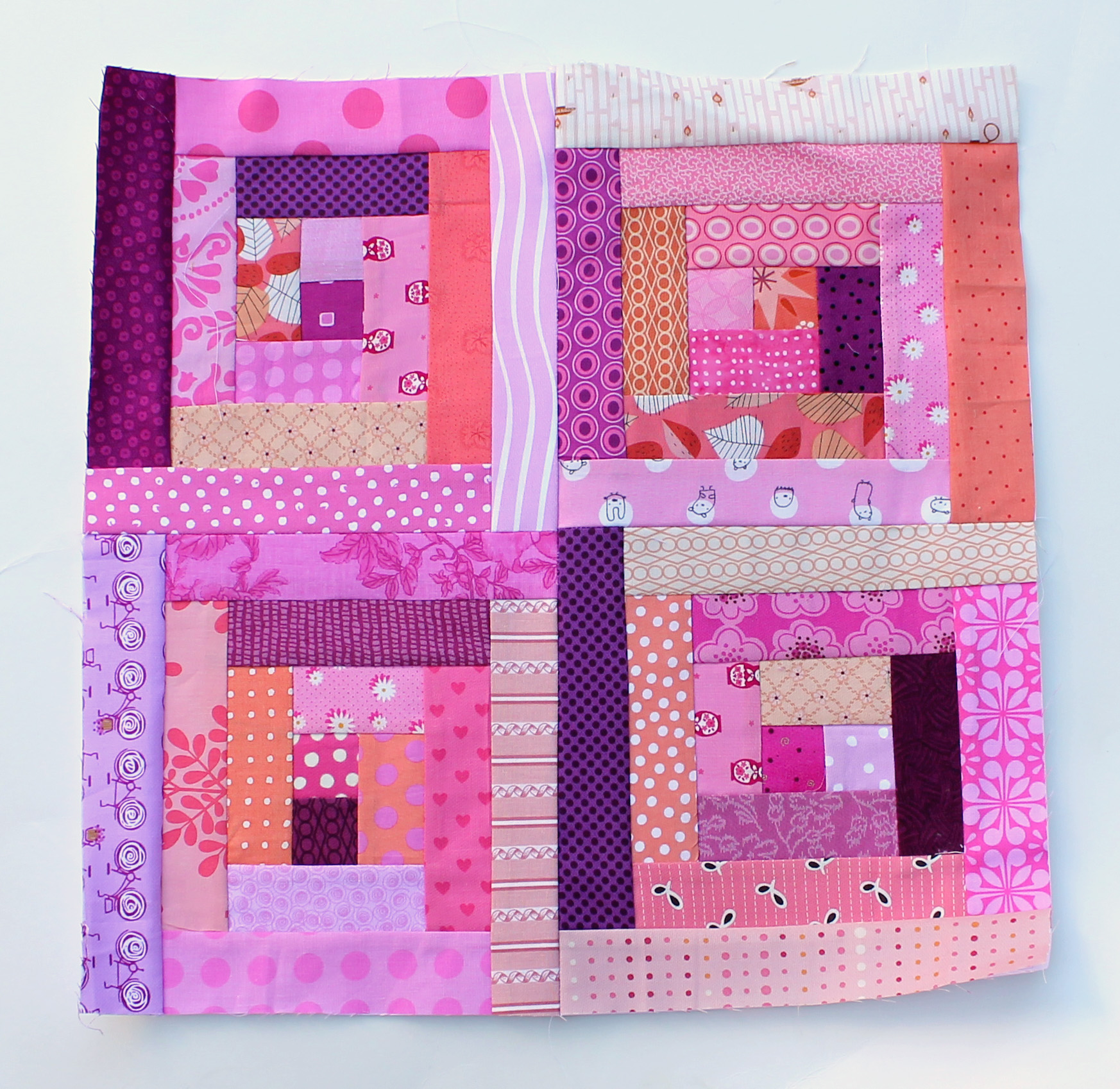
After a false start or two I got it to work… with this block.

modern scrap log cabin block

Which turned into this…

modern scrap log cabin block

Scrappy modern fabulous fun.  And I think the peach/apricot fabric works perfectly.  It is not at all dated or dowdy.

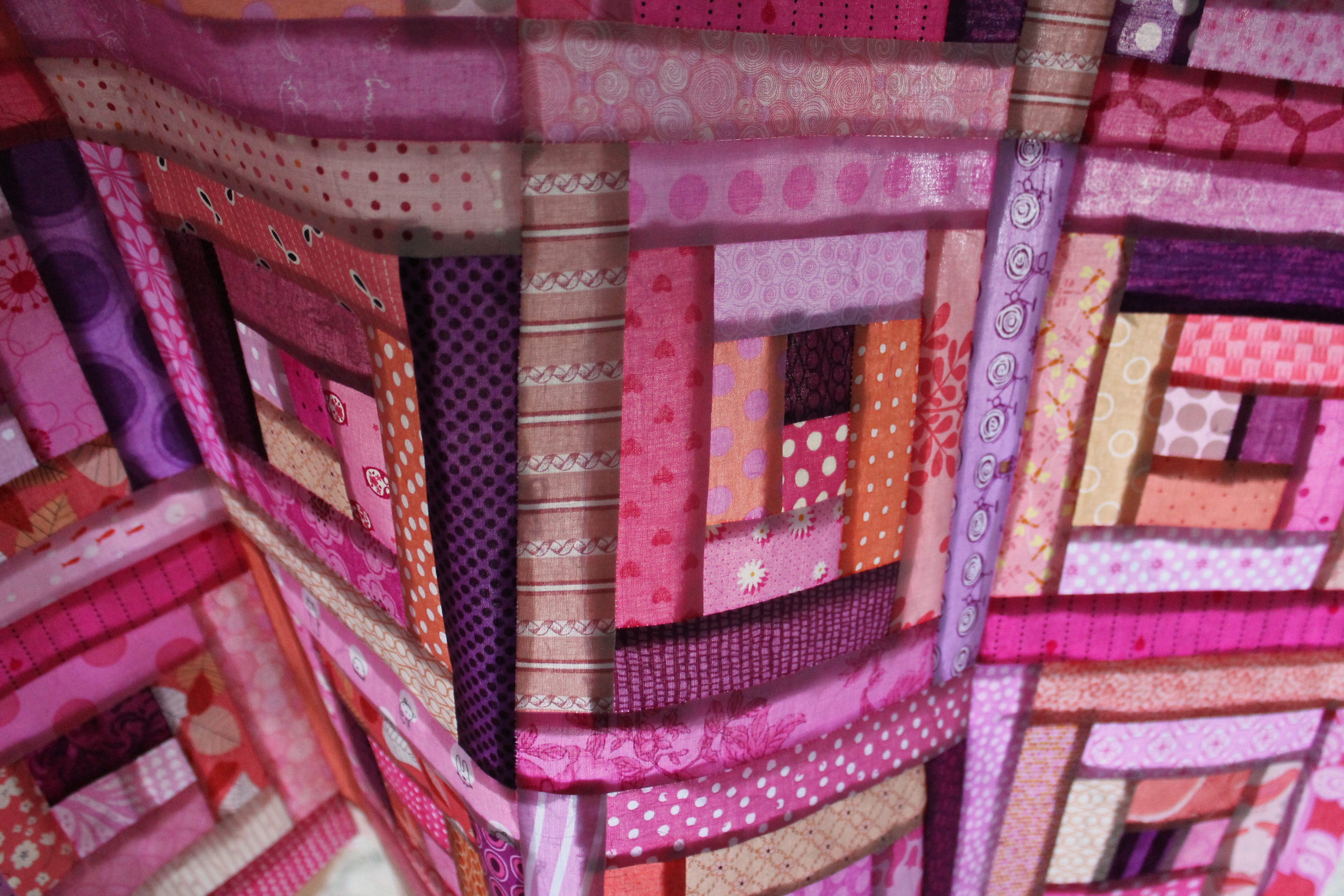
blush quilt detailThe fabulous array of pink and purple scraps help.   What are your thoughts on the often maligned apricot/peach?  Have your used it in your modern quilts?


Dresden Plate challenge – wip Wednesday

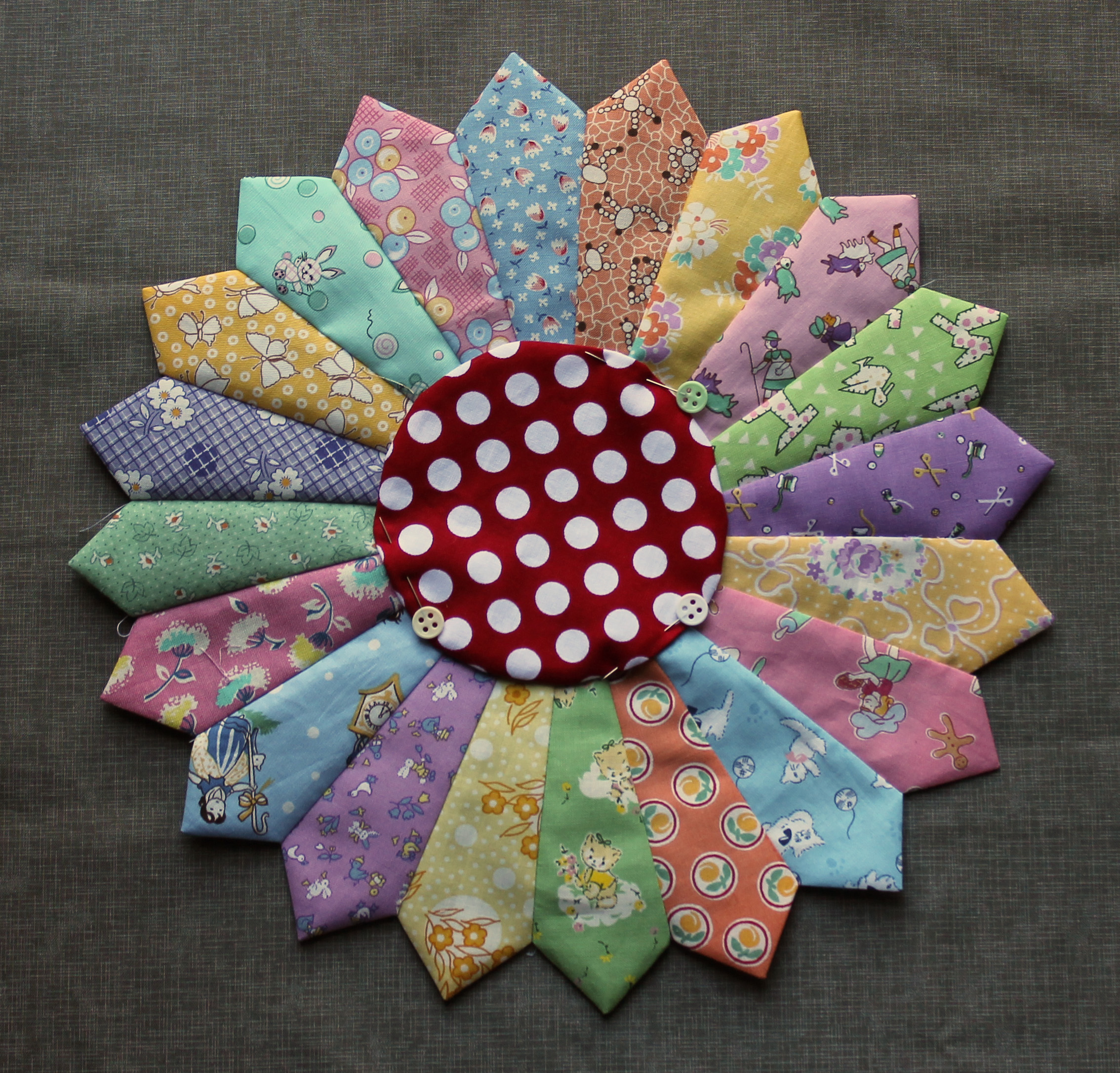
This week I decided to challenge myself, and try to make a block I had never done before – the Dresden Plate. I was so inspired by Susan at The Bored Zombie’s Dresden plate quilt, that I had to give it a go.   So I bought a Dresden plate template (I went with EZ Quiltings) and pulled some fabric.

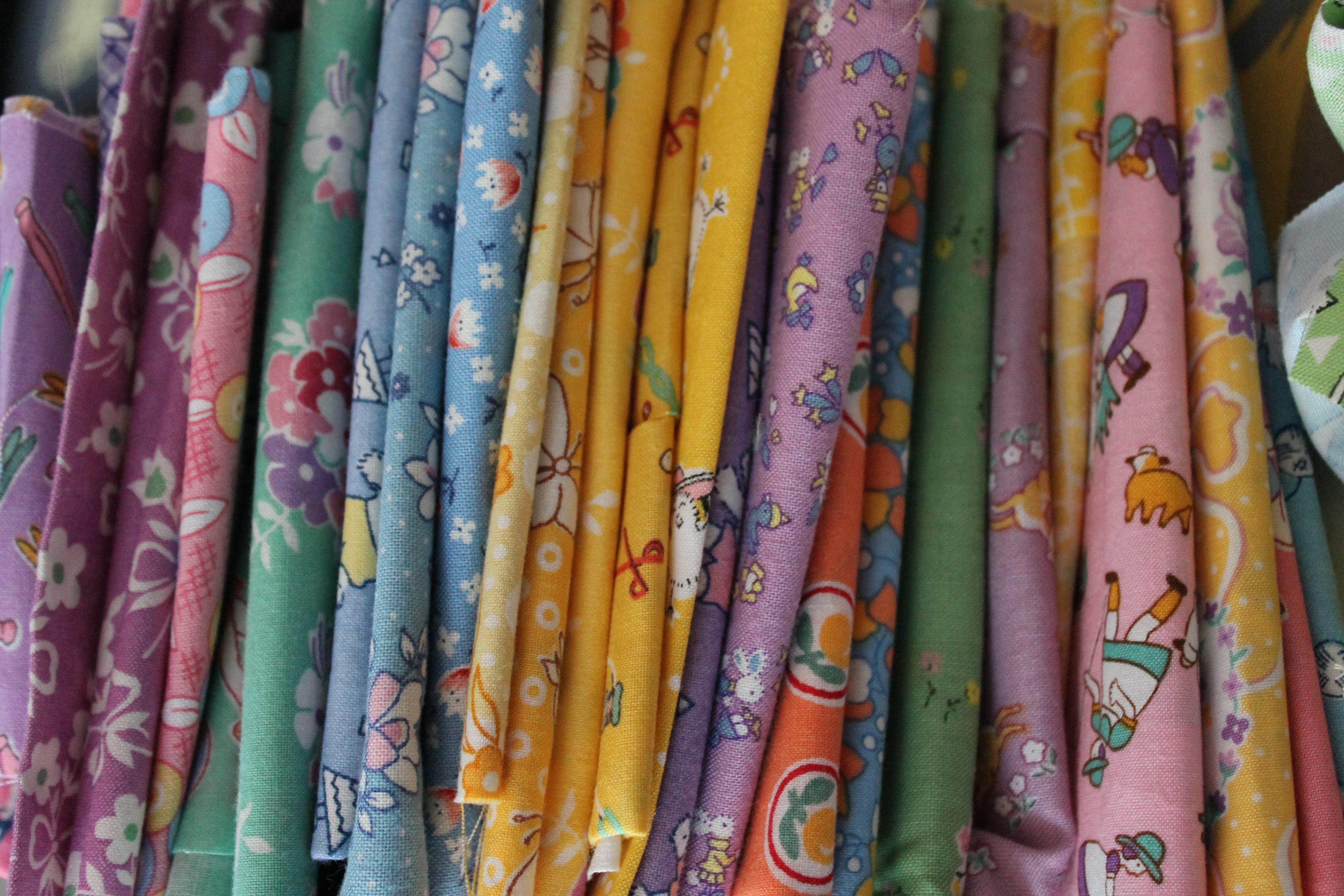
1930 quilting fabric

I decided to raid my stash of 1930’s fabric which has been sitting under my bed, untouched, for years.  There is something about the Dresden pattern that just called out to be made in vintage style fabrics.   I was actually shocked at how much of this fabric I had accumulated over the years – what is shown above is about 1/15th of my stash. I went through a period many year ago of making baby quilts out of this fun fabric ( I was partial to the Aunt Grace and Storybook lines).

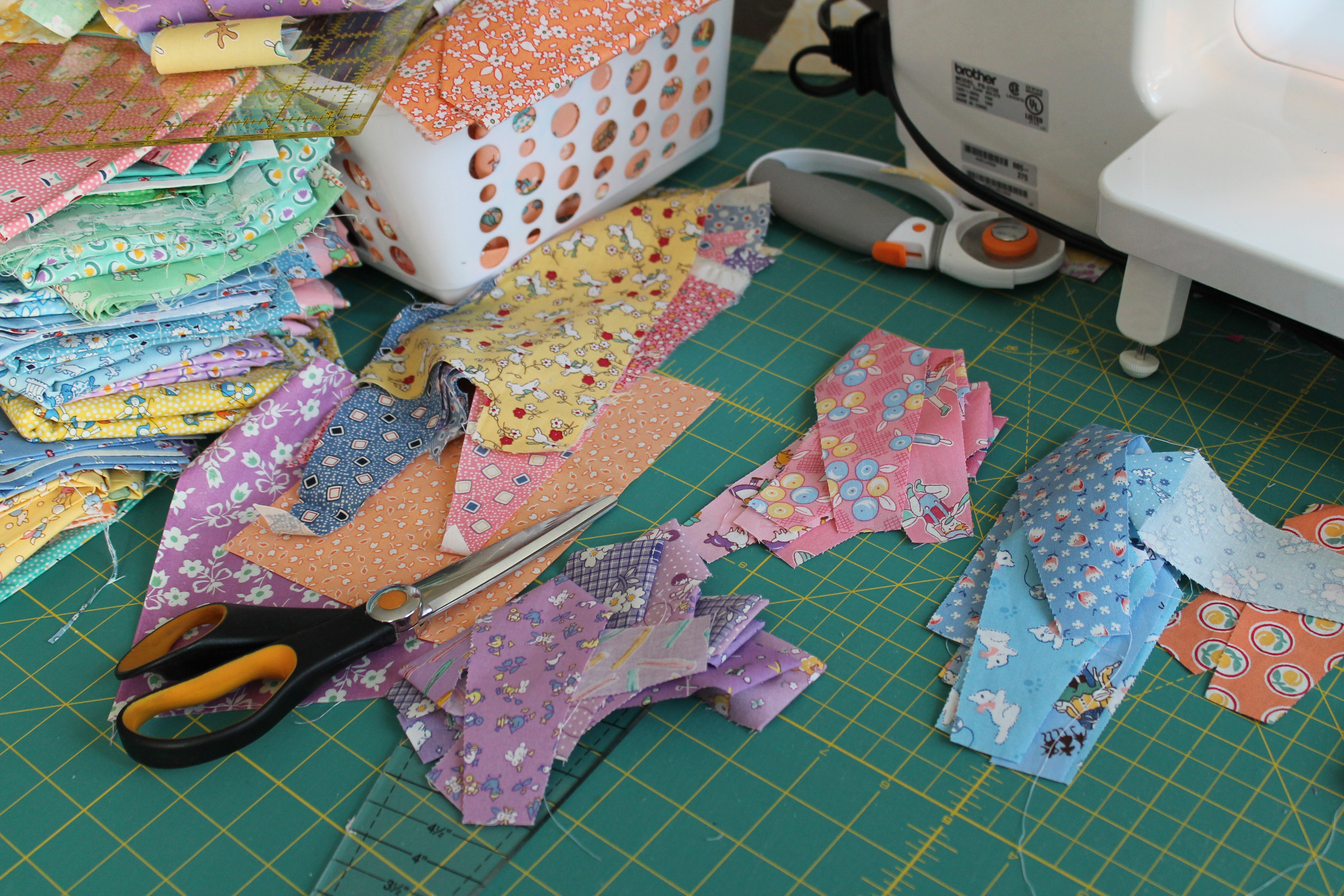
workspace

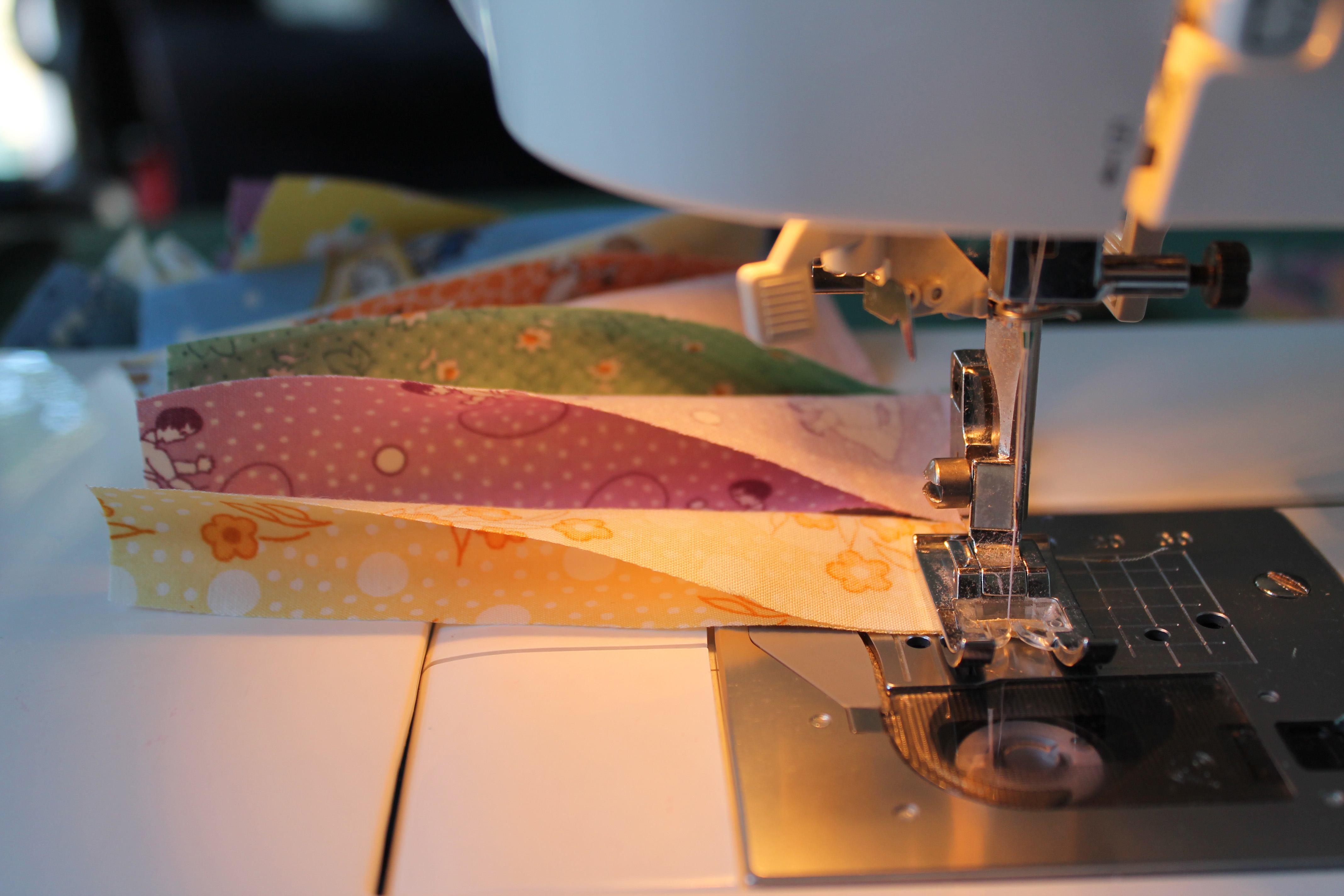
With the fabric cut, I found the rest of the process really easy.  I sewed the top of the cut pieces together using chain stitching.

string sewing

Snipped the corner, turned it inside out and I was ready to go.  I was so surprised how quickly I could get the pieces and block done.  I thought it would take me hours to finish a block but it was really quick.

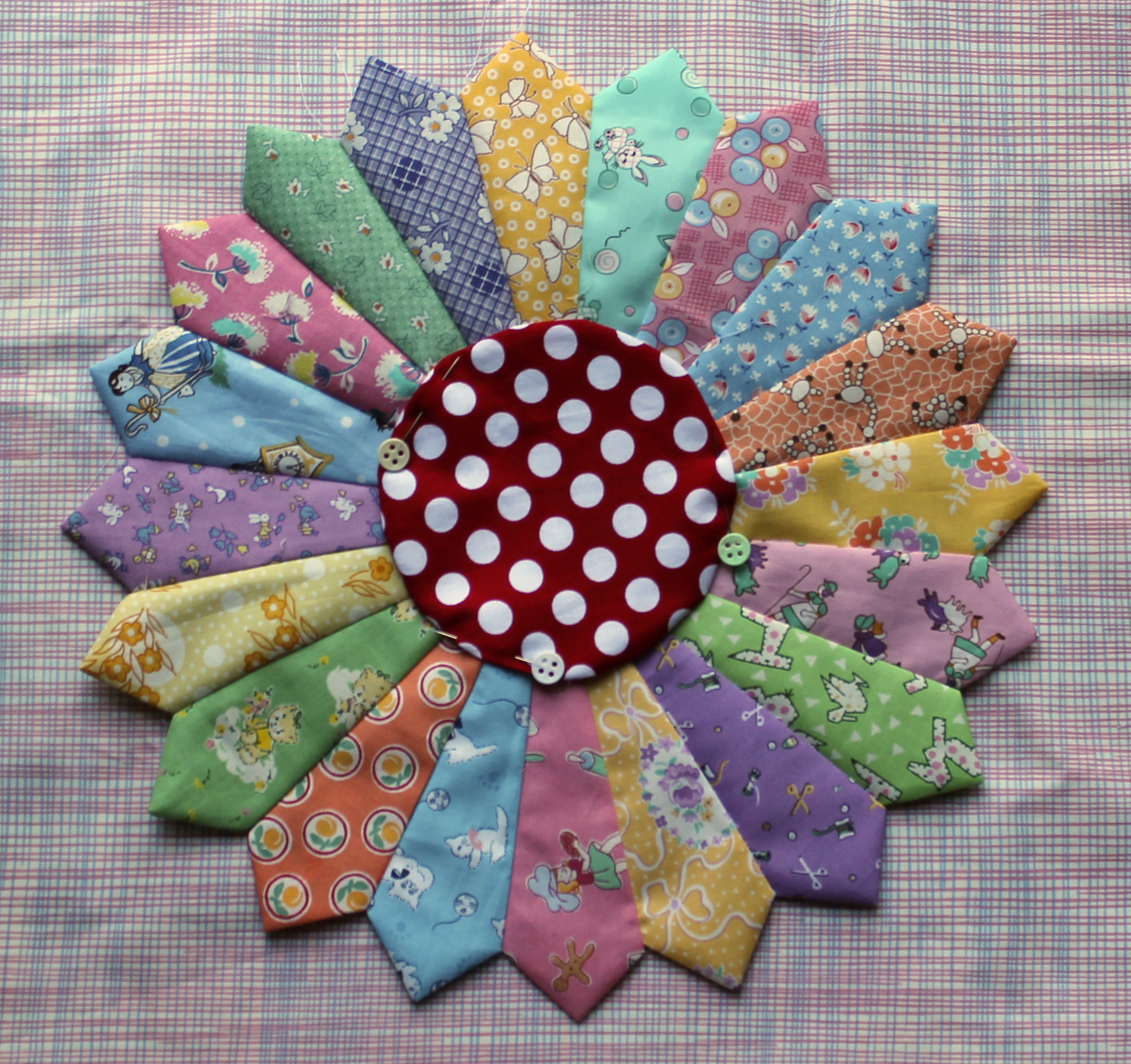
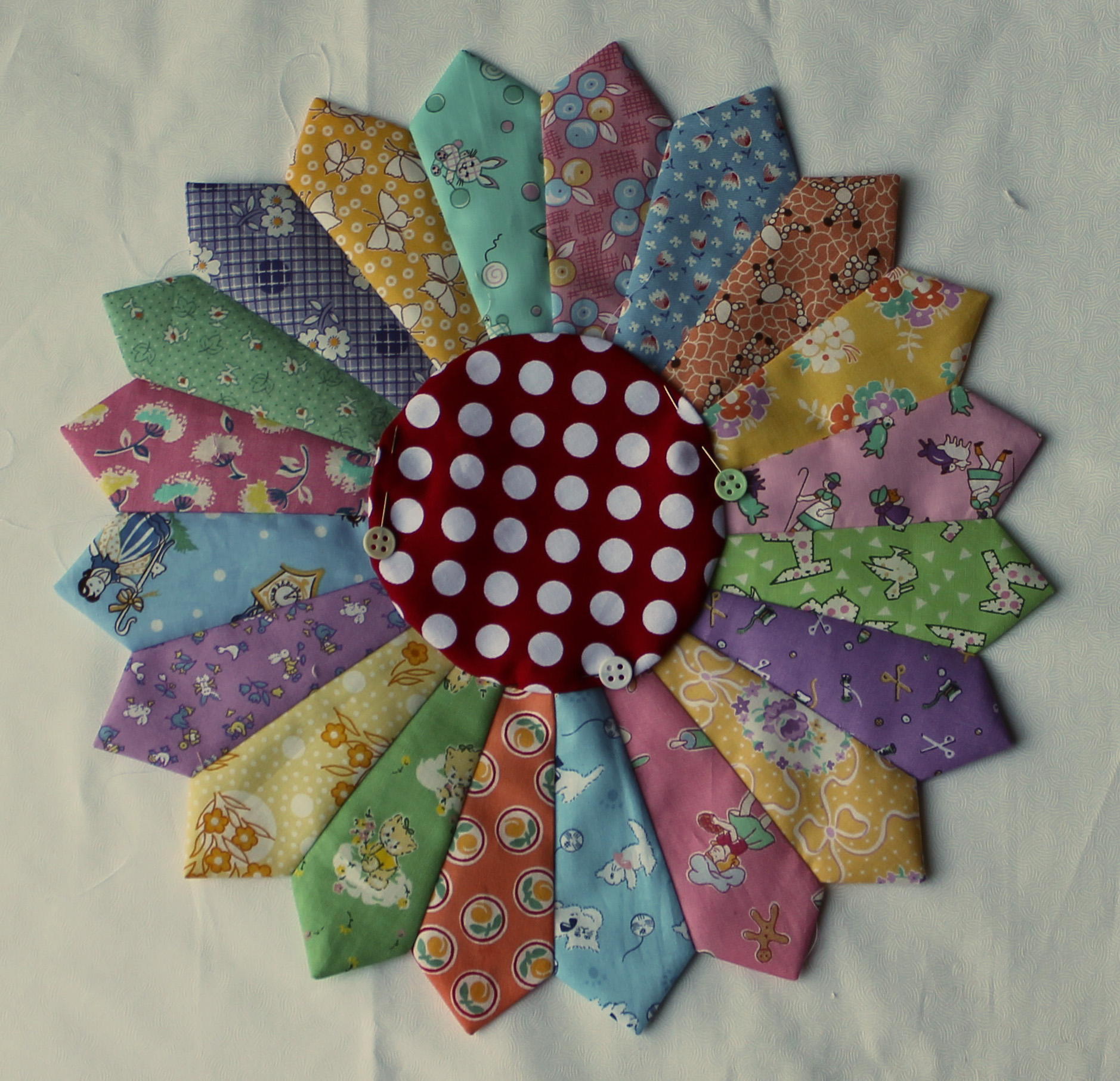
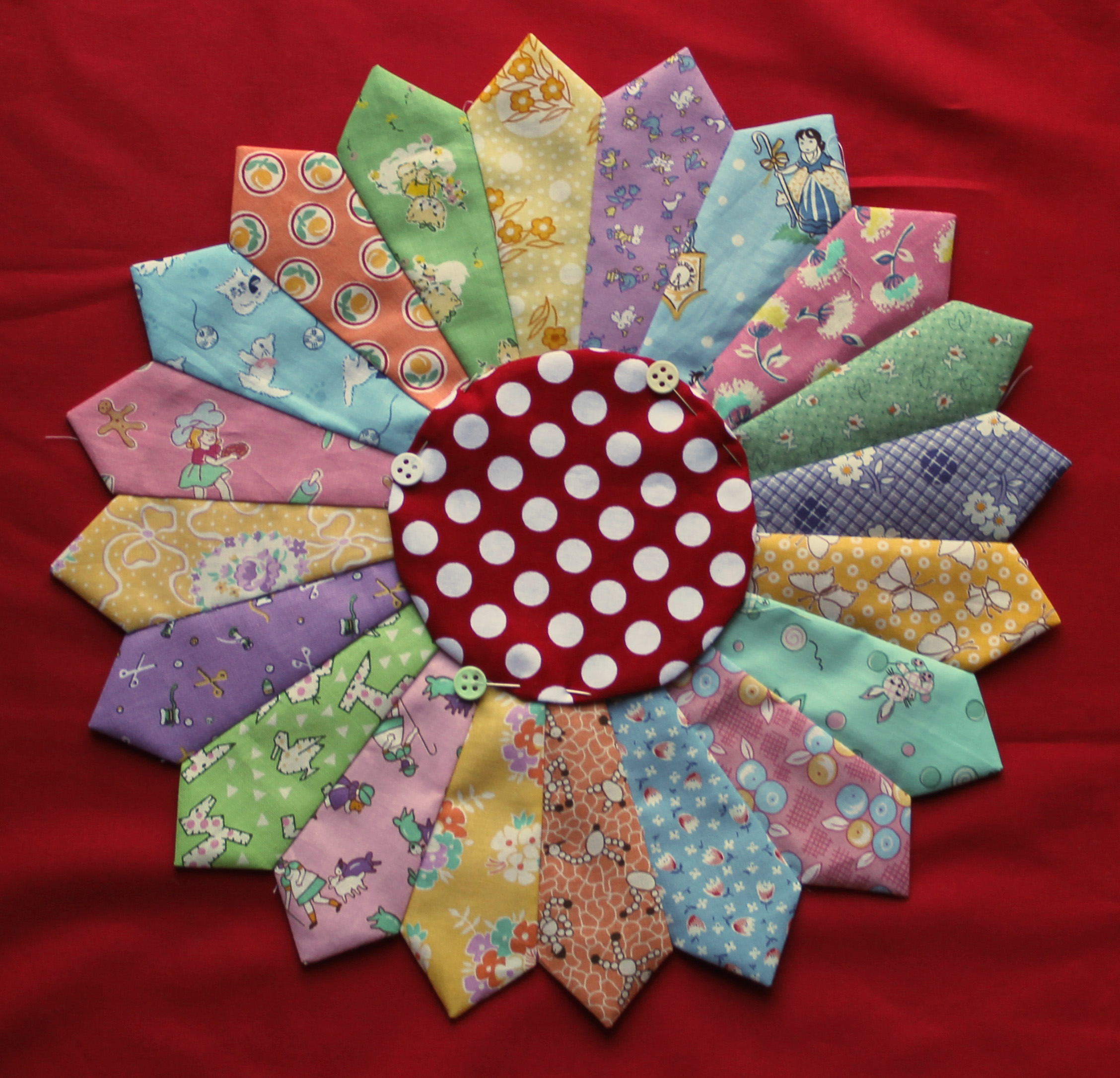
Then came the hard part. Having finished most of the block pieces I realized I wanted to make the block feel a little more modern.  I started playing with what to back the block with and here are my top  choices…

1.  Hatched block back

1. Hatched block back

2.  Scrappy white back

2. Scrappy white back

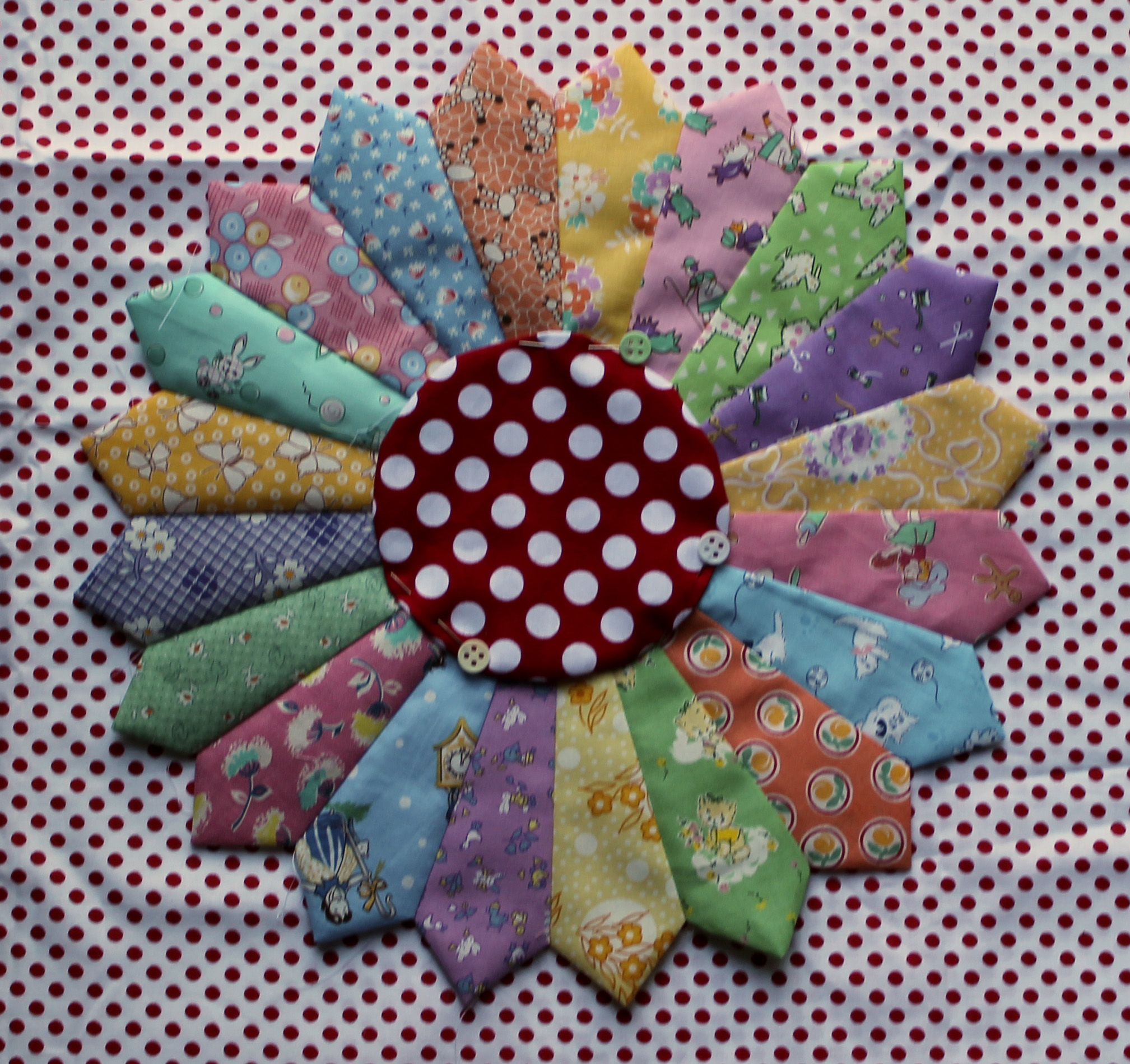
3.  Red & white dot back

3. Red & white dot back

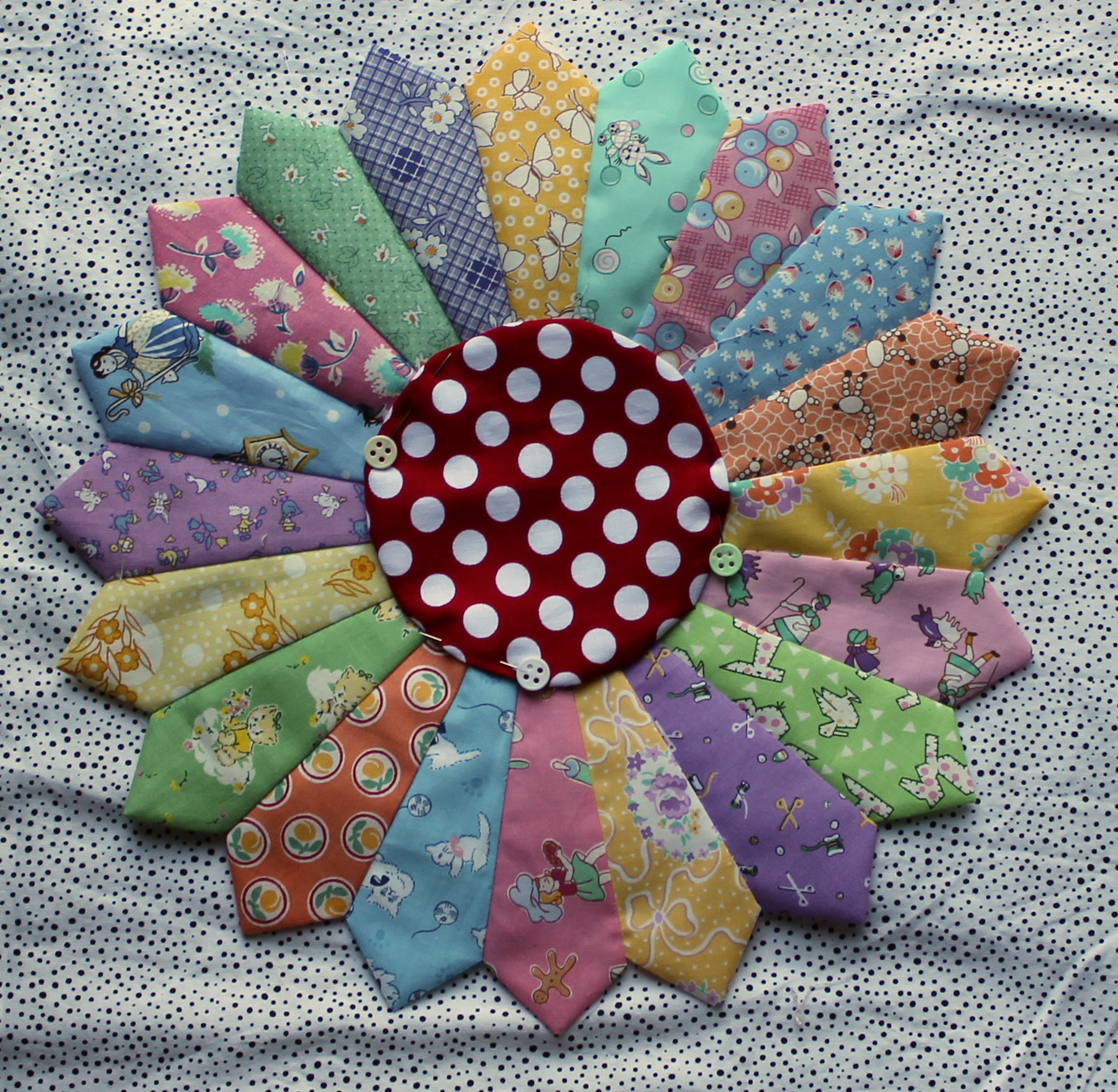
4.  Black & white dot back

4. Black & white dot back

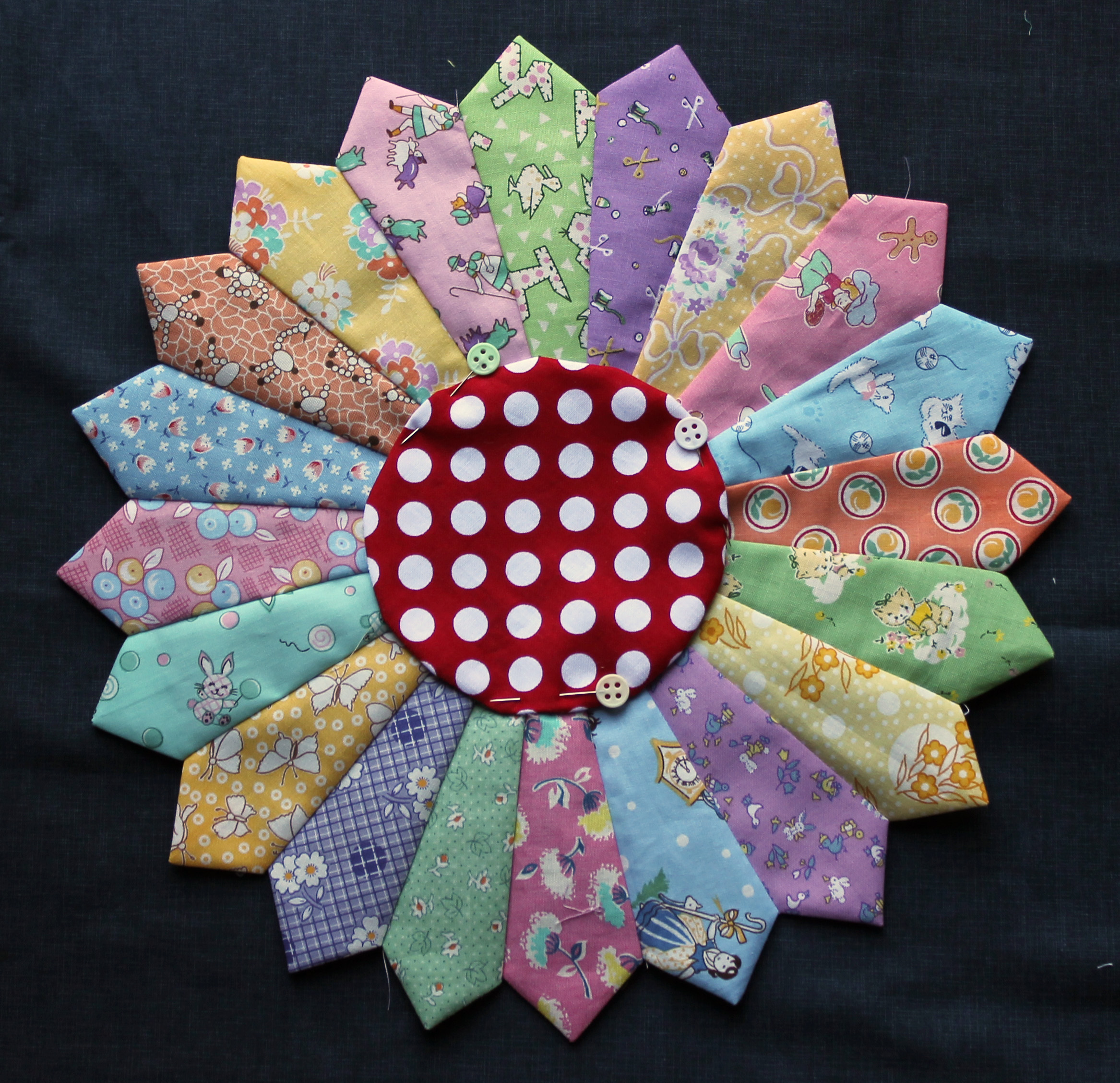
5.  Navy blue back

5. Navy blue back

6. Grey linen print back

7.  Red solid back

7. Red solid back

HELP!  I can make a case for each of these fabrics and I am feeling a little overwhelmed.  Please let me know which back you like best.

All selections, suggestions, advice, feedback, comments and support gratefully accepted.


Let’s Get Acquainted Blog Hop

I am really pleased to be part of Plum & June’s “Let’s Get Acquainted Blog Hop” and I can not believe it is my turn to post already.    I have had such a great time checking out everyone’s post each week and finding new inspiration and new friends.

How did you get into quilting?

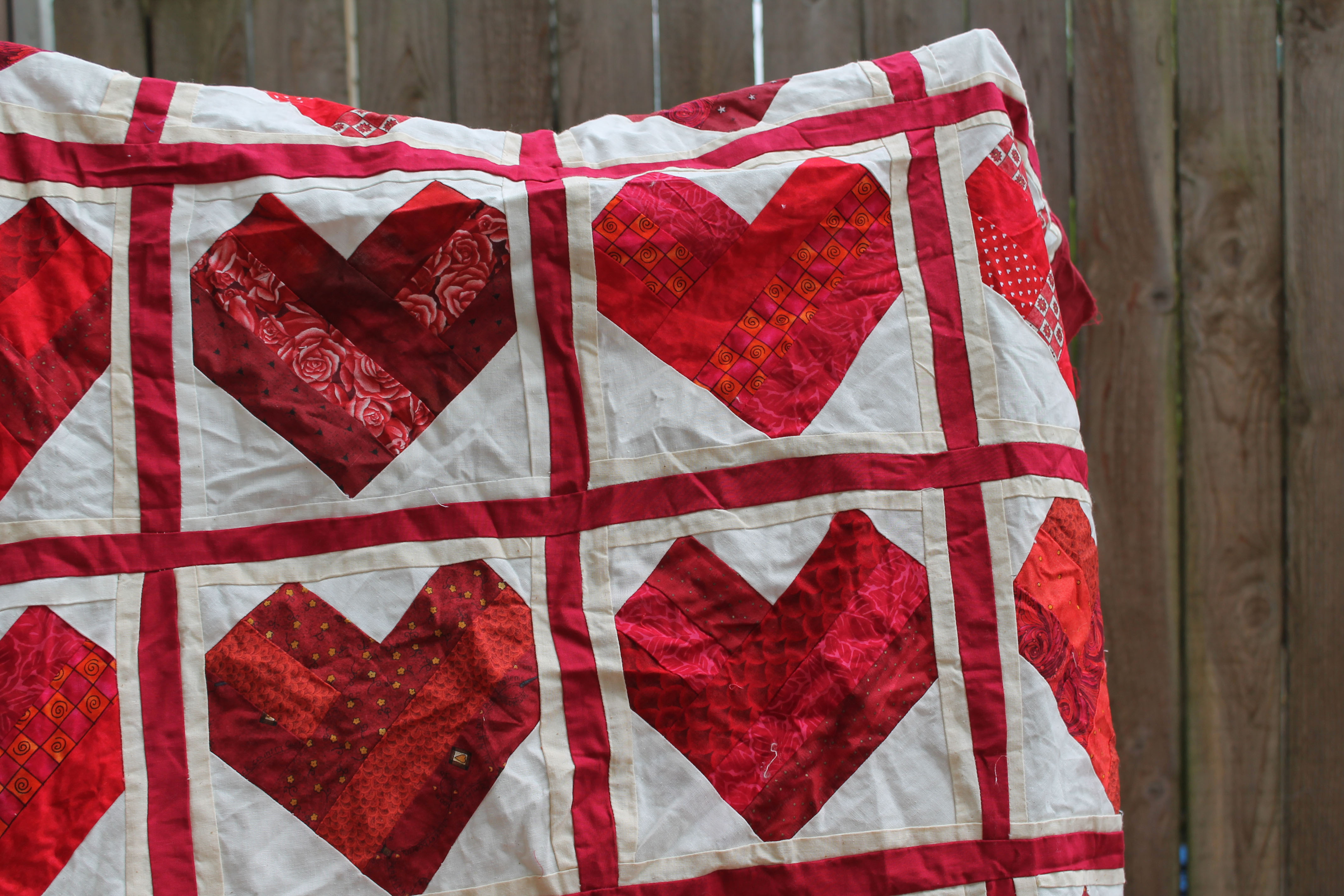
I started quilting after watching “How to Make An American Quilt” on video.  I was recovering from a car accident and quilting was the perfect way to keep me out of trouble.  I did not have anyone to teach me so I read some books and made lots and lots of mistakes.  This is the first quilt top I every finished –  I still have not quilted it, and I am not sure I ever will…

heart quilt top

My first ever quilt top… circa 1997

My quilting skills have grown  over the years, particularly after I moved to the States in 2006.  I found wonderful wise older quilters at Project Linus who taught me how to bind my quilts properly, how to sew my bits of batting together (nothing goes to waste), and how to make a whole pile of interesting traditional blocks.  I also  found the Portland Modern Quilting Guild who taught me how to English paper piece, how to make creative quilt backs and most importantly that there is no right or wrong in quilting.

What do you love about quilting?

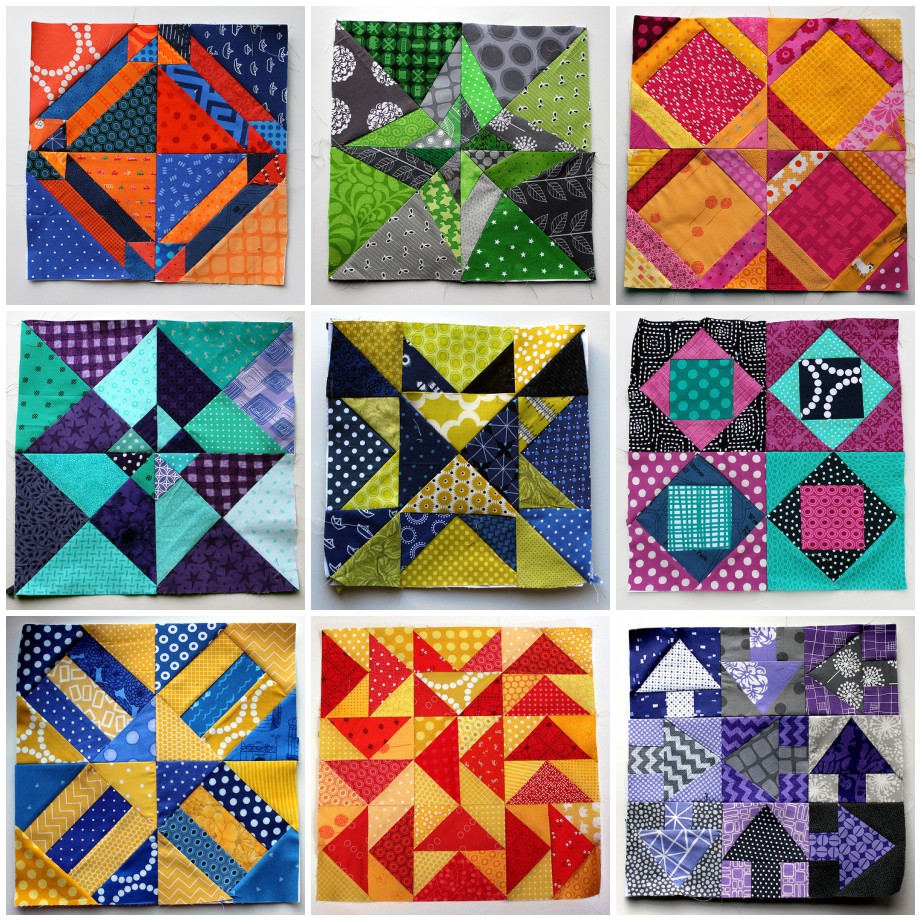
My favorite part of the process is design phase.  I love to play with colour and pattern.

quilt block mosaic

My colour and fabric choices are linked to the second thing I love about quilting, which is giving the quilts away.  When I started quilting all those years ago my sister was a oncology nurse at the local children’s hospital.  She was doing so much good and I felt like I wanted to contribute as well, the only problem was I hate hospitals and faint at the sight of blood.   My solution was to make quilts for her chemo kids.  Bright, fun, loud, interesting quilts.  I have over the years made hundreds of quilts for children in hospitals in Australia, England and now Portland.  90% of my creations are given away to kids/people I do not know but who I hope get some comfort out of them.

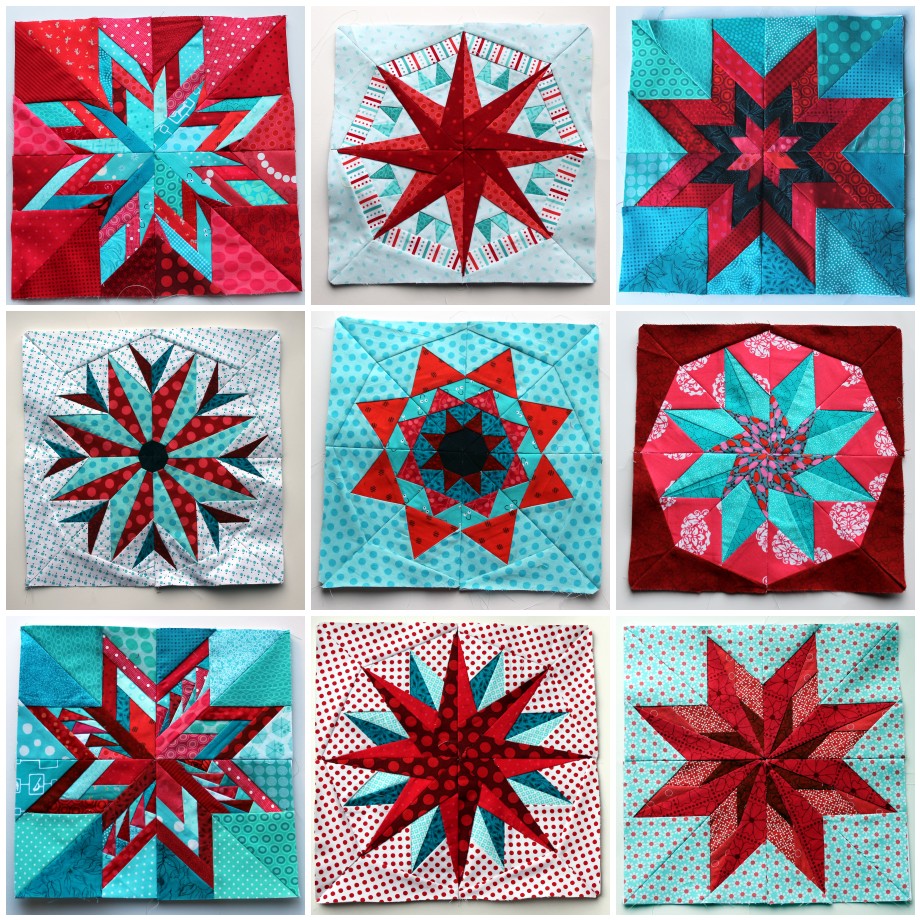
I also love to paper piece.  In the beginning of my quilting adventure I found paper piecing was the easiest way for me to get accurate blocks.  I am not the most precise person, and paper piecing allows me to achieve blocks and quilts that would be otherwise out of my range.

Paper Piecing Monday blocks

Paper Piecing Monday blocks

Why did you start a blog?

There were two reason I started this blog:

1.  To force myself to take photos and document the quilts I was making and giving away.

2.  To force myself to try new things.

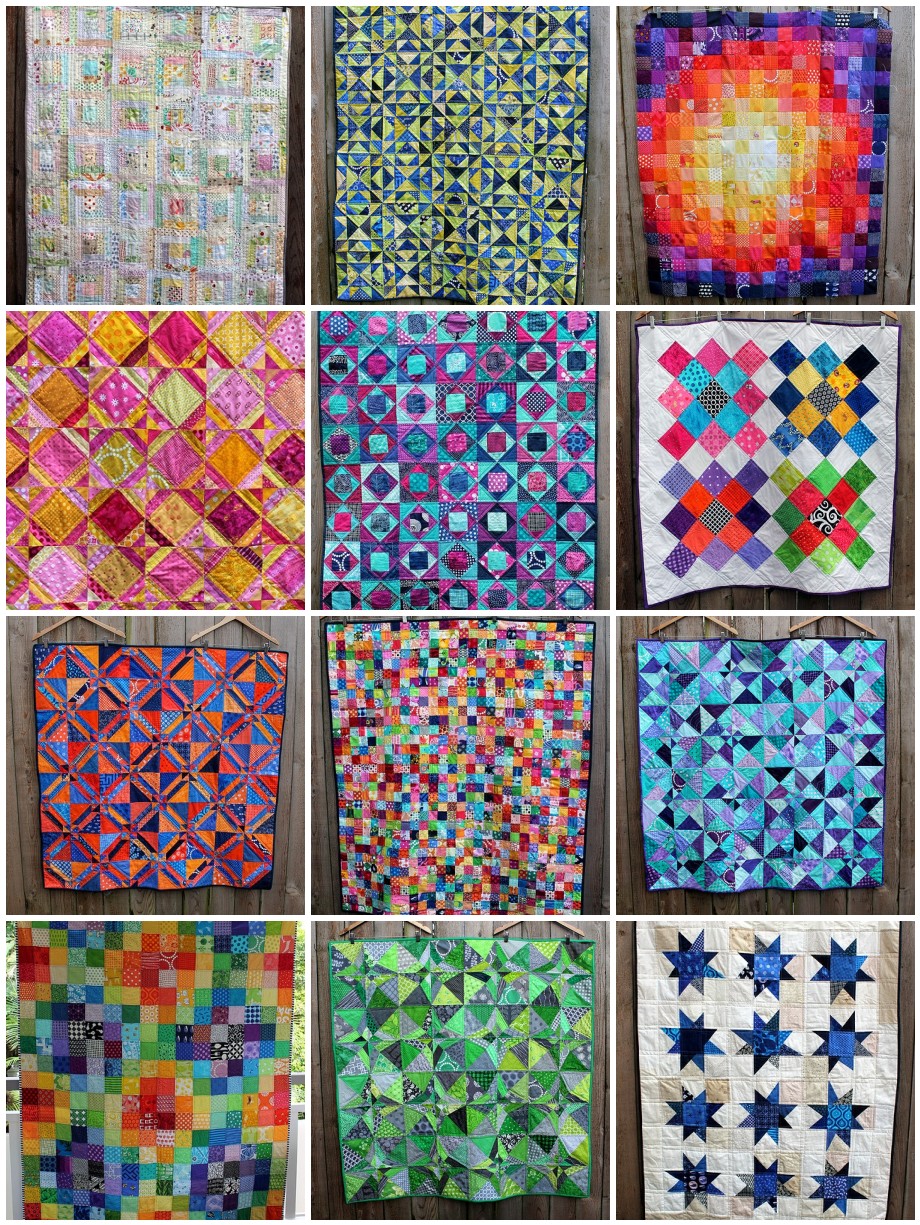
finished quilts tops 3

So far the blog has succeeded in both of these areas but has also given me the added bonus of linking into an amazing world-wide community of quilters who support me, encourage me and keep me honest.

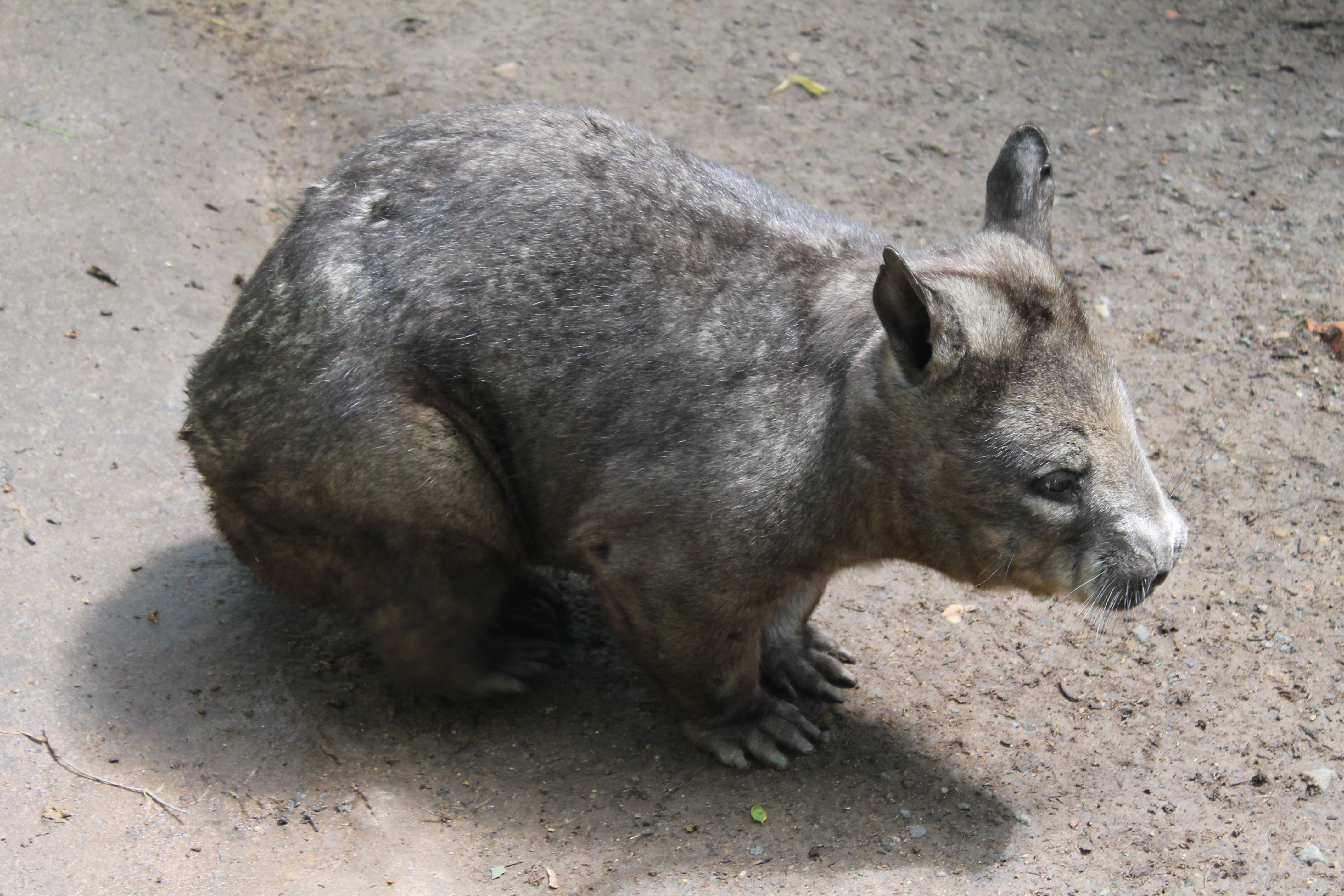
As for my blogs name… I am not sure why I choose Wombat Quilts but it seemed like a good idea at the time.  Just in case you have not seen one, this what a wombat looks like…

wombat

What are you working on now?

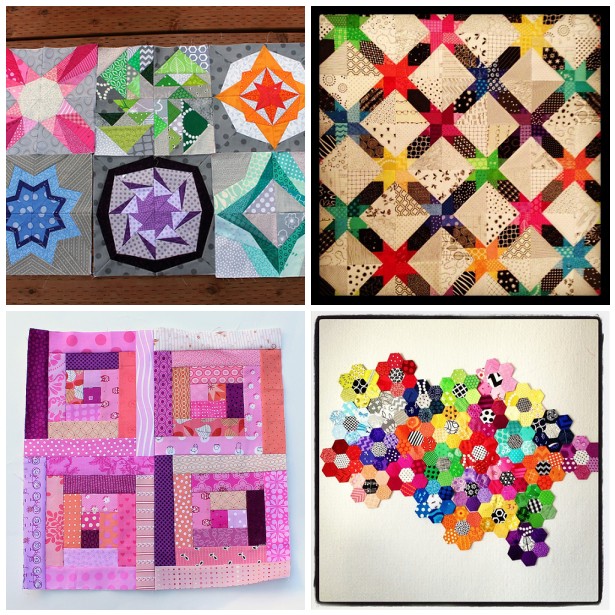
I must admit I have way too many projects in progress.    My currently priorities are:

  1. My Paper Piecing Monday Brights quilt
  2. My Star Crossed quilt
  3. My Blush log cabin quilt
  4. My hexagon floral quilt

working on now

A little bit about me…

1.  I have dual citizenship – I was born in England to Australian parents…. but consider myself Australian.

2.  Two years ago I married an amazing American man, much to the surprise of my family who had given up on me ever marrying.

3.  For 15+ years I developed and produced animated feature films in the UK and USA.

4.  I have lived in four different countries in my life – Australia, Israel, England and the USA.

5. I hate being photographed (you may have worked this out from the fact that there is no photo of me on this site!)

Now that I have written one of my longest posts EVER…. go check out these other amazing bloggers who are part of this weeks hop.

Anne @ PlayCrafts
Sarah @ {no} hats in the house
Christen @ Love by Hand
Julie @ 627handworks

And now for something completely different…paper piecing Monday

This paper piecing Monday is dedicated to paper piecing the English way, a technique that is used for a number of great patterns including my favorite, hexagons.

English paper piecing is the simple method of wrapping fabric around a paper/cardboard template to form shapes usually with neat crisp edges.  The process involves a lot of hand sewing starting with basting of the fabric to the paper template, followed by sewing the blocks together through to hand quilting (the preferred form of quilting with hexagon quilts in particular).

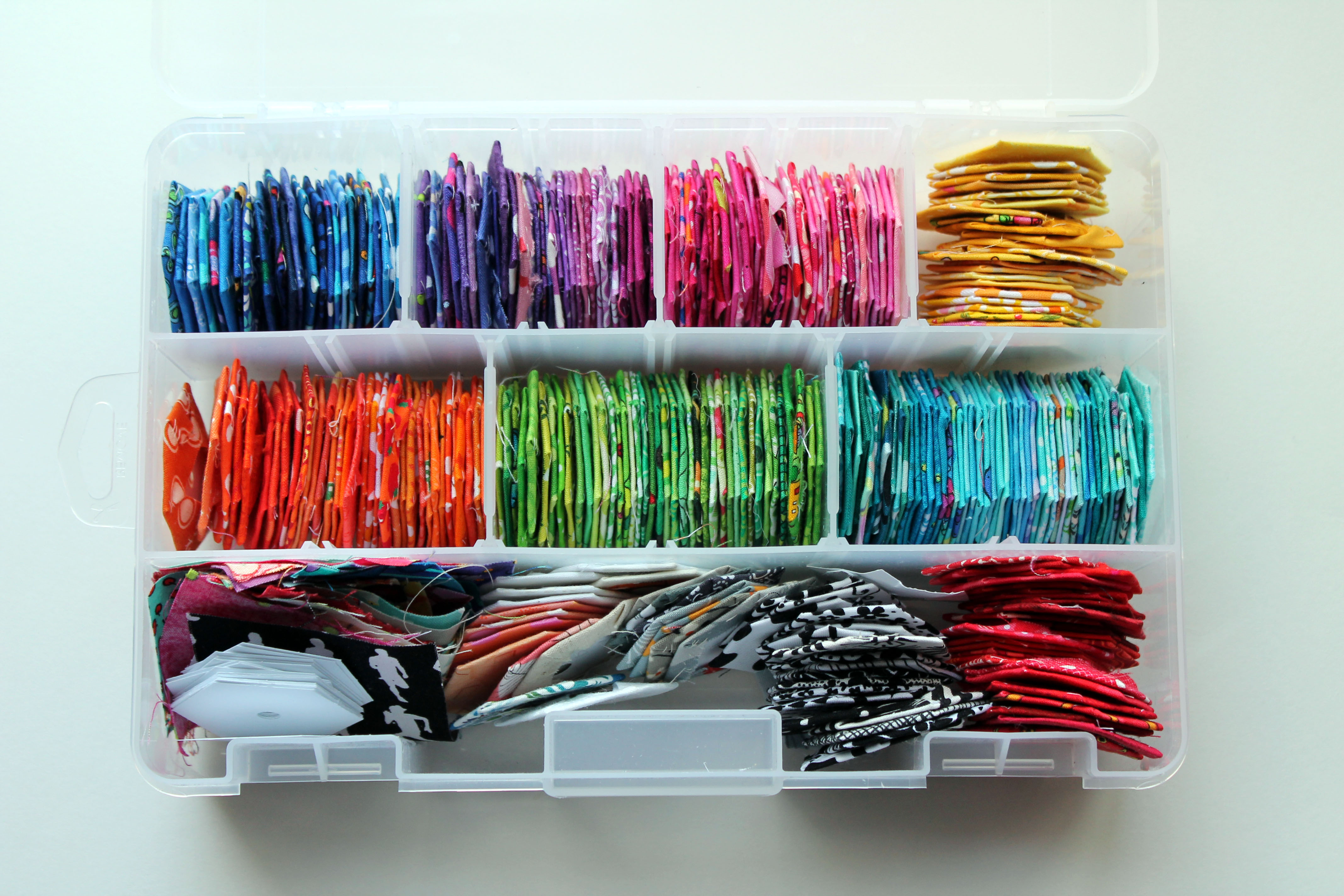
I was recently introduced to this form of paper piecing at my local Modern Quilt Guild,.  At the meeting we were given instructions, advice, some 1 inch hexagons, some 2 1/2 inch square cuts of fabric, a needle and thread and sent off to make hexies.  I did not realize it would be so addictive, and now only a month or so later I have feverishly made 400+ hexies.

hexagons completed and sored

My hexagons are 1 inch (hexagons measurements are done by the length of its side) which I have found to be the perfect size for me – not so small that it is daunting and fiddly but big enough that some nice fussy cutting is possible.   I started this project using hexies that I cut out myself using a template I downloaded from the web.  There are some great hexagon templates on-line including Texas Freckles downloadable 1 inch and 1 1/2 inch templates that can be found here.

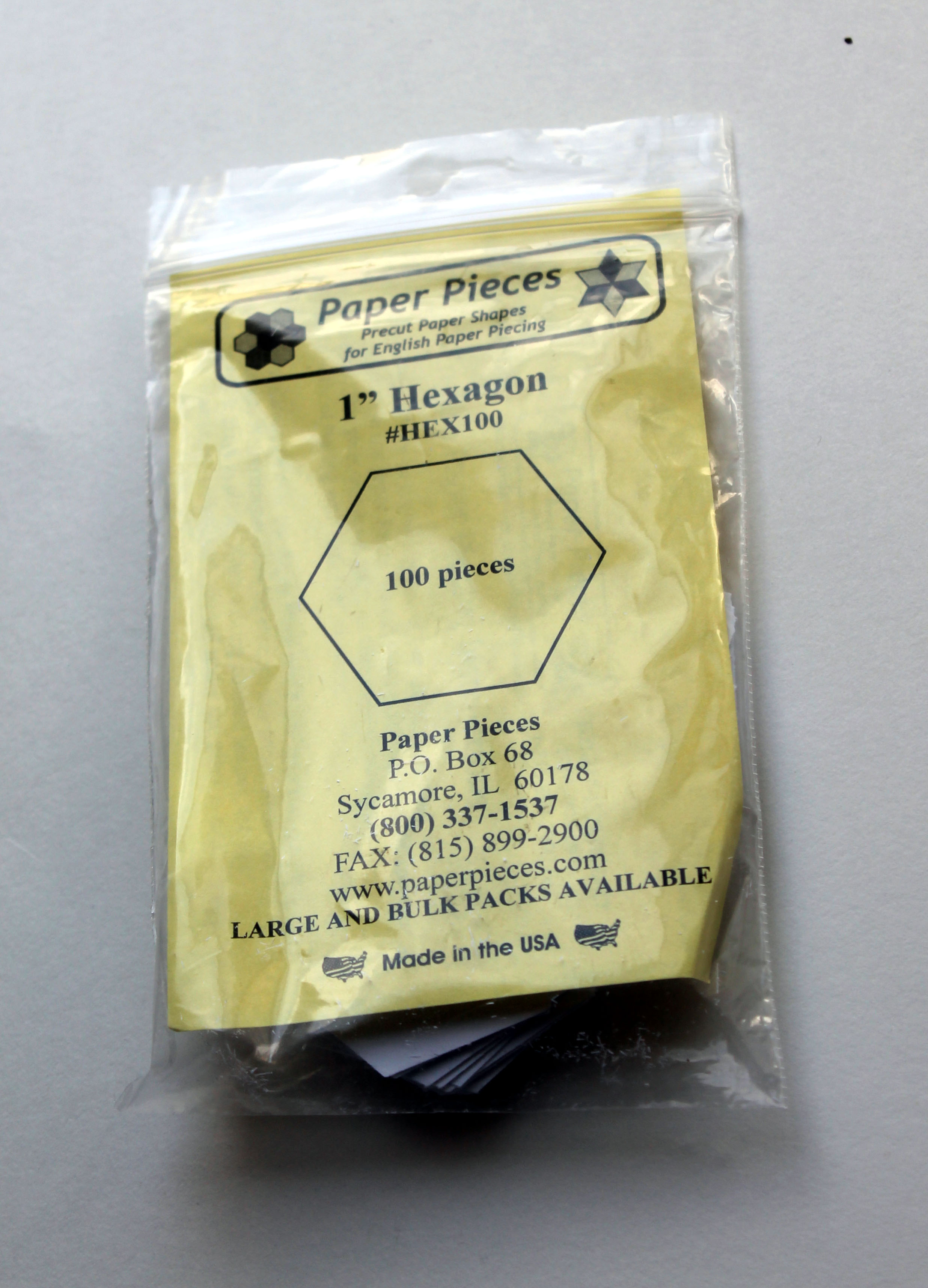
After calculating that I would need to cut out at least 400 hexagons I decided to get someone else to do it for me and went to Paper Pieces and ordered 500 of their pre cut hexies.  Paper Pieces has an array of sizes and patterns and it is worth checking out there site if your project is going to be bigger than a pillow!

hexagon packet

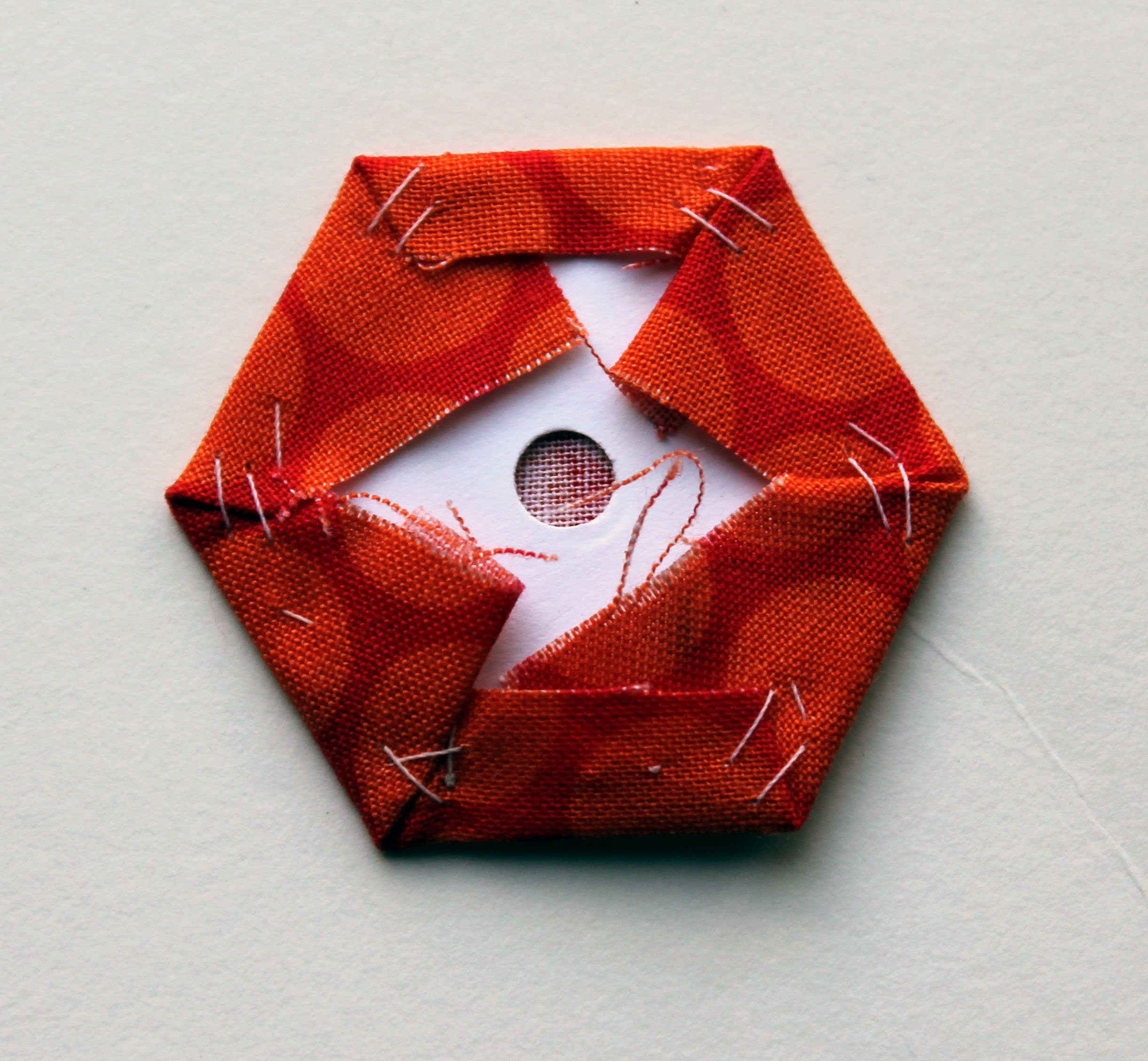
We got some great instructions on making hexagons at the meeting, but the internet has also been  a wonderful resource for “how to” for me.  Texas Freckles has a great video tutorial on both basting the hexagons and piecing them that you can find here.  Amy at Badskits has a great illustrated PDF tutorial  that  you can find here.  And Jaybird Quilts did a hexagon focus as part of their quilt basics series which can be found here.

hexagon back

Some of the most helpful tips we got at the Guild meeting were:

1.  Punch a hole in your paper template.  It will make removing the paper easier when the project is done.

2.  Attach your fabric as firmly as you can to the template to avoid slipping when basting, as you tend to be working with a small margin of error on pieces this smalls.  Some people used paper clips, some people used  pins, I used the paper piercers go to – Elmer’s glue stick.

3.   You can be a little messy when basting, no one will see it in the end.

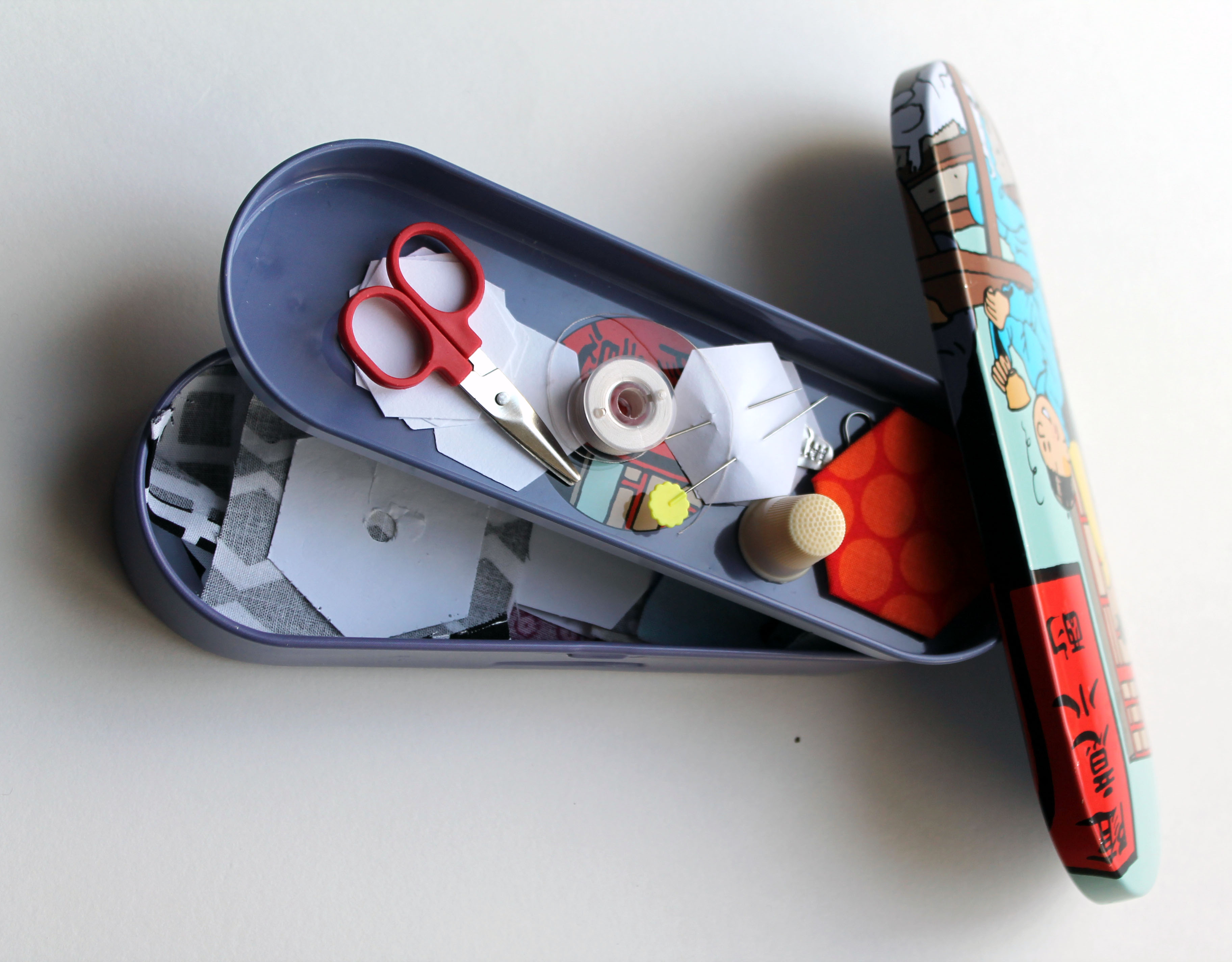
One of things I love about English Paper piecing is that it is so portable.  I made a big dent in my hexagon production during a long flight back from Australia recently.  The kit I put together for that flight has travelled with me to Guild meetings, doctors appointments, Game of Throne screenings etc.  My kit is pretty simple:

heaxagon travel kit

It includes:

  • A bobbin of white or cream cotton
  • A thimble
  • Needle and needle threader (my eyes are not what they used to be(
  • A paper clip and pins – just in case the glue does not stick
  • The smallest least threatening pair of scissors I could find (so TSA would not freak out)
  • My prepared hexies and my completed hexies are stored in the bottom compartment.

About a week ago, as my hexagon collection grew, I realized I did not know what I wanted to do with them all, so I started looking at both traditional and modern hexie quilts.  Hexagons are believed to be one of the oldest pieced patterns,  with hexagon templates for quilts having been found in England dating back to he 1770’s.   With such a long history and the modern resurgence I had a lot to think about.

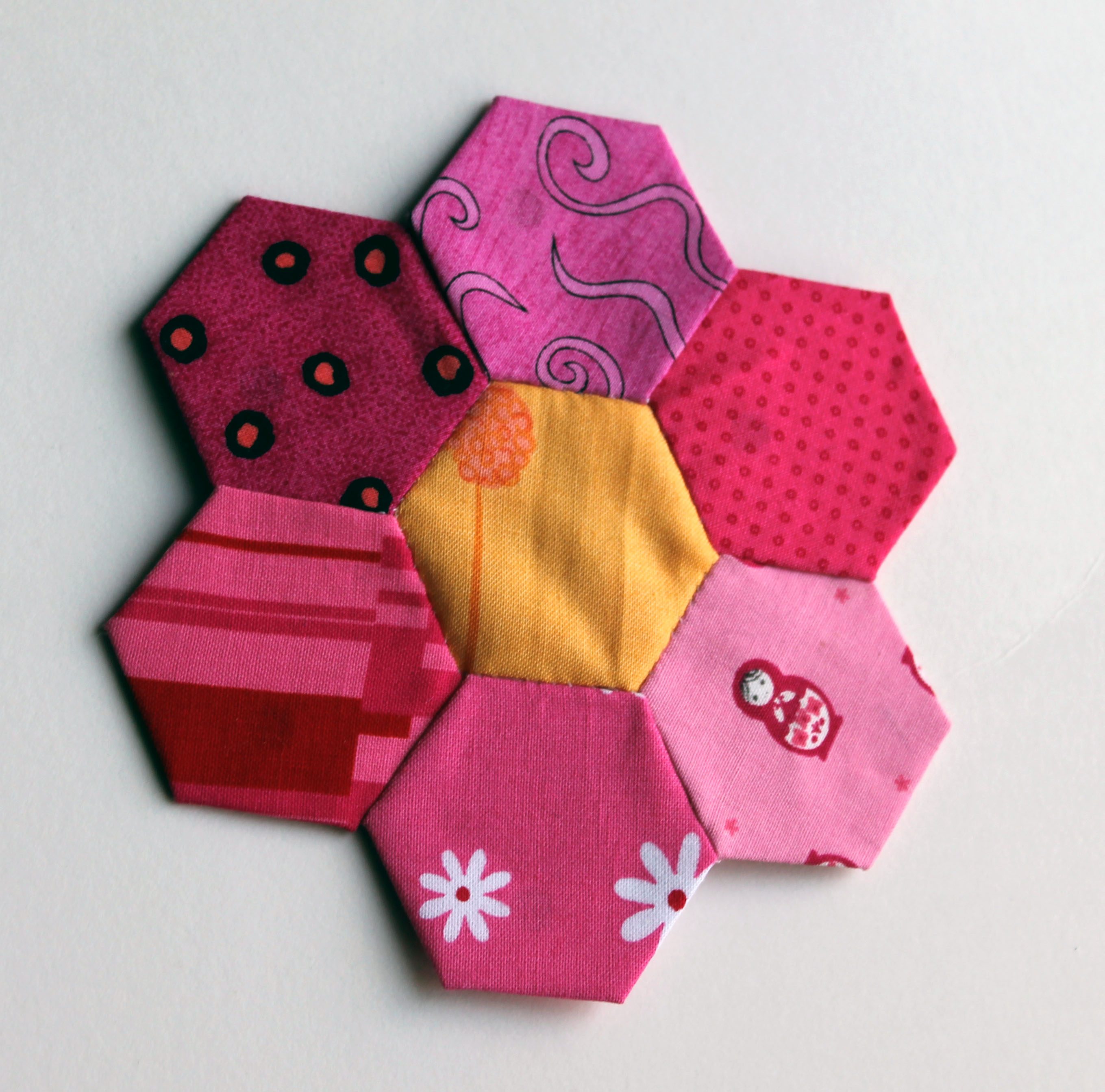
After much umming and ahhing I decided I wanted to so something modern that tipped its hat to the past.  I love the depression era hexagon quilts and in particular the flower patterns that were prevalent and so settled on doing a version of that pattern.  My first experiment was this block.

yellow fabric

I was going to put a border of white hexies around the block (as is done in many traditional quilts)  but I thought it was not quite modern enough for me.  In the end I went with this.

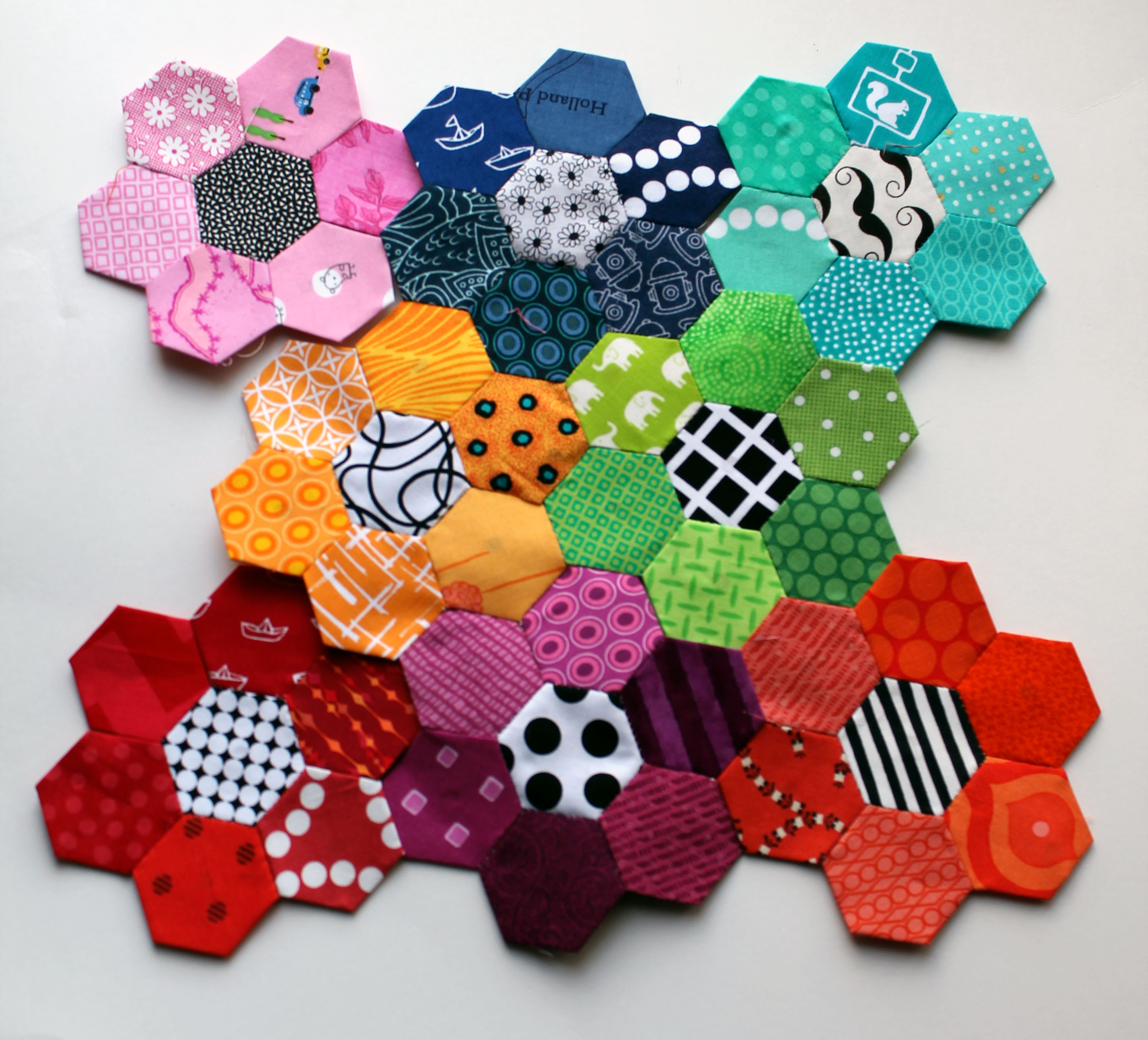
hexagon work in progress

I love the black and white center.  It makes the colour of the flowers seem so much more vibrant and modern.  I have pieced together 9 flowers so far and I am loving it.  I am learning so much as I make this quilt including:

1.  That my stitches (I am using a whip stitch to piece) is what is holding these hexagons together so I have to make my stitches small.  I am trying to get about 10 stitches per 1 inch side, though I am not always successful at that.

2.  Unlike basting the hexagons, with the piecing your stitches need to be neater.

3.  It is not going to be perfect and if some stitches are showing slightly it is okay.  When you look at this quilt you will know that it is hand stitched, which is a good thing.

4.  I may only have one of these in me and this is a quilt I am keeping!